Inline Extractor Fan Installation Gauteng
An inline extractor fan is installed within the duct rather than directly at the room grille or wall opening. That arrangement can make it easier to move the fan away from an occupied space, serve several extract points or connect a room to a remote discharge. The benefit only appears when the fan is selected for the resistance created by the ductwork. We therefore look at duct length, diameter, bends, grilles, filters and termination before recommending an inline fan rather than treating the fan in isolation.
Tell us what you need. We’ll take it from there.
Send your Gauteng location and service requirement. For the fastest response, WhatsApp photos of the fan, canopy, ducting or fault after submitting.
Chat on WhatsAppExtractor fan installation specialists serving Gauteng
An inline extractor fan is installed within the duct rather than directly at the room grille or wall opening. That arrangement can make it easier to move the fan away from an occupied space, serve several extract points or connect a room to a remote discharge. The benefit only appears when the fan is selected for the resistance created by the ductwork. We therefore look at duct length, diameter, bends, grilles, filters and termination before recommending an inline fan rather than treating the fan in isolation.
Our work includes assessment, repairs, replacement, installation and practical airflow improvements where those services fit the site and equipment. We use the actual operating problem to guide recommendations rather than assuming that every weak or noisy system needs complete replacement.
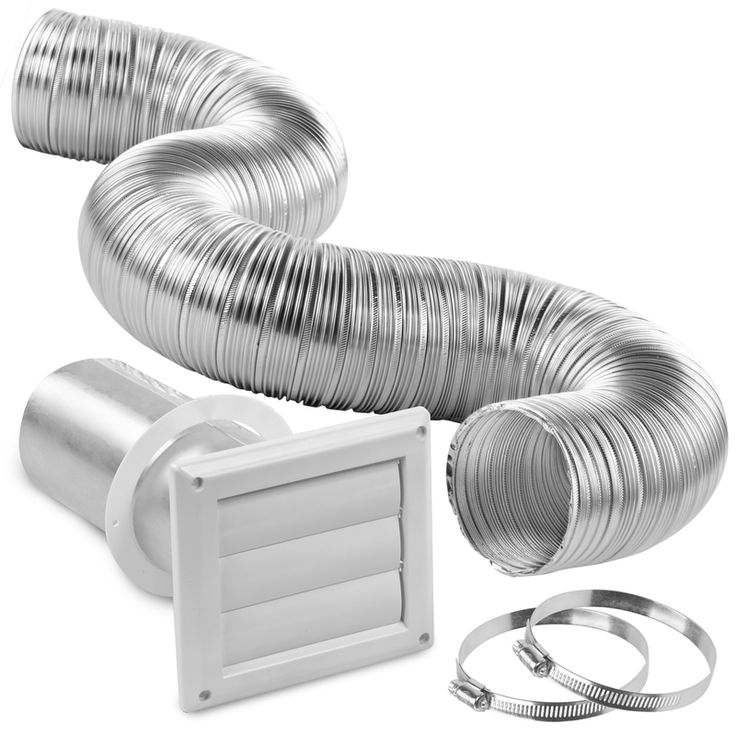
What a good inline extractor fan installation service should achieve
A good inline extractor fan installation service should solve the operating problem that brought attention to the system in the first place. That means understanding what the occupants, kitchen team, facilities manager or production staff are experiencing before touching equipment. We look at when the problem occurs, whether it changes at peak operating load, which areas are affected and whether the behaviour has changed gradually or suddenly. Those details often distinguish a design limitation from a maintenance fault.
Airflow is a system result, not a single-component result. Even when the fan is the most visible piece of equipment, performance is influenced by the route leading to and away from it. A clean fan connected to restrictive ductwork can still underperform; similarly, a correctly sized duct system will not compensate for a damaged motor or poorly selected fan. Our assessment therefore follows the complete path and prioritises the restriction or fault that is actually limiting inline extractor fan installation.
For Gauteng businesses, downtime and access matter as much as technical performance. Restaurants may need work planned between meal periods, offices may restrict noisy work to certain hours, and industrial sites can require coordination with production or safety procedures. We discuss these practical constraints early so the repair, installation or upgrade can be planned around the way the property operates.
Where inline extractor fan installation is commonly needed
The same ventilation principle can appear in very different buildings, which is why site context matters. We commonly encounter this requirement in the following types of spaces:
- commercial toilets and ablution blocks
- bathrooms and change rooms
- small commercial kitchens and preparation areas where suitable
- office and retail back-of-house ventilation
- ceiling void extraction systems
- multi-room or multi-grille extraction branches
- residential kitchen and bathroom duct runs where remote fan placement is useful
Each context changes the design assumptions. A restaurant may have intense short-duration peaks, while a workshop may create lower but more continuous contamination. A multi-tenant building may also impose stricter limits on noise, discharge location and roof access. We use those differences to decide whether the priority is stronger capture, lower resistance, quieter equipment, easier maintenance access or a more robust duty cycle.
Signs the existing system needs attention
Many ventilation problems are first noticed through changes in comfort, odour, noise or visible air movement rather than through a complete mechanical failure. Useful warning signs include:
- inline fans that sound powerful but produce little airflow at the grille
- fans installed in ducts that are too small or too restrictive
- vibration transferring through ceilings or lightweight ductwork
- fan access panels that were not provided for future service
- condensation collecting in poorly routed ducts
- backdraft through the fan when it is switched off
One symptom can have several causes. Weak airflow, for example, can come from a blocked filter, a slipping drive, a damaged impeller, a closed damper, a restrictive duct route or inadequate replacement air. That is why replacing the first component that looks old can waste money. We use the symptom as a starting point and test the likely causes against what we find on site.
Components we assess as part of the system
Inline Extractor Fan Installation Gauteng normally involves more than one piece of equipment. Depending on the site, our assessment can include:
- mixed-flow and centrifugal inline fans
- rigid and flexible duct sections
- acoustic or flexible connectors
- backdraft dampers
- ceiling and wall grilles
- speed controllers where compatible
- isolators and access panels
We also look at how those parts interact. A change made years ago to one section of duct, a replacement fan with a different characteristic or a new ceiling that restricts transfer air can alter the behaviour of the whole system. Understanding those interactions is particularly important when the current problem appeared after a refurbishment or equipment change.
Local Gauteng operating conditions
Inline fans are common in Gauteng refurbishments where bathrooms, offices or small commercial spaces are located away from an external wall. In apartment developments, office parks and retail fit-outs around Sandton, Midrand, Rosebank, Pretoria and Centurion, ceiling voids can become crowded with services, so access and duct routing need careful planning. Industrial and warehouse offices in the East Rand can present different challenges, with longer runs and hotter ceiling spaces.
Gauteng weather also affects ventilation operation. Hot summer afternoons increase internal heat loads, while storms and strong winds can influence exposed roof terminals. In winter, occupants are more likely to keep doors and windows closed, which can expose replacement-air deficiencies that went unnoticed in warmer months. The best solution should remain stable across those normal seasonal changes rather than depend on doors being left open.
We serve Johannesburg, Pretoria, Midrand, Centurion, Sandton, Randburg, Roodepoort, Ekurhuleni, the East Rand, West Rand and surrounding Gauteng areas. For a first assessment, the suburb, property type, system photographs and a clear description of the problem are usually the most useful starting information.
How we diagnose performance before recommending work
We begin with the operating complaint and then compare it with what the system is physically doing. For inline extractor fan installation, that can mean checking whether the fan starts reliably, listening for bearing or drive noise, observing capture at the source, looking for obvious restrictions and inspecting accessible duct connections. Where controls or electrical symptoms are involved, those are considered as part of the fault pattern rather than treated separately.
The next step is to ask what has changed. New equipment, extended trading hours, a ceiling alteration, a replacement fan, a blocked external grille or a poorly fitted filter can all explain why a system that once worked has become unreliable. Historical clues reduce unnecessary replacement because they help identify whether the problem is new or built into the original design.
After the inspection, we separate immediate repairs from improvement opportunities. A failed bearing, split connector or loose drive may need direct repair. By contrast, chronic weak capture caused by undersized ducting or poor replacement air may need an upgrade plan. Keeping those categories separate helps the client decide what must be done now and what can be budgeted as a later improvement.
Installation and replacement considerations for inline extractor fan installation
When new equipment is required, selection should be based on the system duty rather than on physical size alone. Fans are affected by duct resistance, filters, bends, grilles and discharge fittings. The same nominal fan can perform very differently in two buildings. For inline extractor fan installation, we therefore consider the connected system and expected operating hours before recommending equipment.
Access is designed into the job wherever possible. Motors, filters, inspection panels and isolators all need future attention. Equipment that can only be reached by dismantling ceilings or unsafe improvised access tends to be neglected, and neglected ventilation eventually becomes expensive. A practical installation should therefore support both current performance and future maintenance.
Noise and vibration are considered at the installation stage as well. Flexible connections, secure supports and sensible fan placement can reduce transmitted noise. This matters in restaurants, offices, hotels, apartments and mixed-use buildings where a technically functioning system can still create complaints if mechanical sound travels into occupied areas.
Repair versus replacement decisions
Not every inline extractor fan installation problem needs a new system. Motors, bearings, belts, controls, connectors, filters and damaged duct sections can often be repaired or replaced individually when the surrounding equipment remains serviceable. The decision depends on condition, availability of parts, access and whether the original arrangement was adequate when it was working correctly.
Replacement becomes more sensible when equipment is badly corroded, repeatedly failing, obsolete, physically damaged or fundamentally mismatched to the required duty. We also look at the cost of repeated call-outs. A low-cost repair is not economical if the same underlying issue is likely to produce another shutdown shortly afterwards.
For older Gauteng commercial systems, a staged approach can work well. Critical faults are repaired first, then high-risk or inefficient components are planned for replacement over time. This is often more practical for multi-site businesses or properties that cannot shut down the entire ventilation system for a large refurbishment at once.
Maintaining inline extractor fan installation after the work is complete
Maintenance frequency for inline extractor fan installation should reflect duty, contamination and operating hours. Heavy commercial use needs closer observation than occasional use. A restaurant operating seven days a week, for example, should not assume the same service interval as a lightly used office extract fan. We recommend looking at actual loading and condition instead of relying on a one-size-fits-all calendar.
Operators can help by reporting changes early. New noise, slower clearing of odours, visible vibration, unusual heat or a fan that takes longer to start are all useful signs. Early reporting often turns an emergency breakdown into a planned repair. For businesses with several branches, keeping short service notes also helps identify recurring equipment types or installation details that are causing repeated problems.
Cleaning and mechanical maintenance should be coordinated where contamination is significant. Cleaning a fan or filter can restore lost airflow, but cleaning will not repair a worn bearing or failed motor. Likewise, mechanical repair without addressing heavy contamination can shorten the life of the repaired equipment. The best maintenance programme recognises both needs.
Areas we serve across Gauteng
We provide inline extractor fan installation support across the Johannesburg metropolitan area, including Sandton, Rosebank, Fourways, Bryanston, Randburg, Roodepoort, Midrand, Modderfontein and surrounding suburbs. We also serve Pretoria and Tshwane areas such as Centurion, Menlyn, Hatfield, Lynnwood, Silverton, Rosslyn and Pretoria East.
On the East Rand and Ekurhuleni side, our service area includes Germiston, Boksburg, Benoni, Kempton Park, Edenvale, Alberton, Isando, Jet Park, Wadeville, Alrode, Pomona and nearby industrial and commercial nodes. West Rand and southern Gauteng enquiries are also supported, including Krugersdorp, Vereeniging and Vanderbijlpark.
Local optimisation on this page is intended to describe our real service coverage, not to suggest that every building is the same. Site layout, equipment condition and access remain the deciding factors in the work required.
What to send when requesting a quote or site visit
The fastest way to start a useful inline extractor fan installation conversation is to send the site suburb, type of business, a short description of what is happening and clear photographs of the fan, grille, canopy or ductwork where they can be taken safely. If there is an equipment label, a photograph of the label can also help identify the existing unit.
For performance complaints, describe when the problem is worst. Does it happen only during busy cooking periods, after the fan has been running for an hour, on hot days, or whenever doors are closed? Timing information can be as valuable as a photograph because it points toward load, heat or replacement-air issues that may not be visible during a quiet inspection.
If the system has recently been repaired or modified, include that history. Knowing that a motor was replaced, a new cooking appliance was installed or a ceiling layout changed can prevent us from repeating work that did not solve the root cause.
Why we treat inline extractor fan installation as a complete airflow system
The strongest results come from treating inline extractor fan installation as an airflow path rather than a collection of independent parts. Air has to enter the space, move toward the capture point, pass through any filters or grilles, travel through the duct, cross the fan and leave at the discharge. A problem at any point can reduce the result felt by the user.
This system view also makes upgrades more cost-effective. If the existing fan is adequate but the duct is badly restricted, a larger fan may only increase noise and energy use. If the duct is sound but the fan is damaged, rebuilding the entire route is unnecessary. We focus spending on the component or relationship that is actually limiting performance.
For Gauteng property managers, restaurant owners and facilities teams, that approach also creates clearer maintenance priorities. It becomes easier to explain why work is required and to separate essential repairs from optional improvements. That clarity is especially useful when several stakeholders need to approve a inline extractor fan installation project.
Frequently asked questions about Inline Extractor Fan Installation
Are inline fans quieter than wall fans?
They can be, particularly when the fan is mounted away from the occupied room and vibration is controlled, but duct noise still needs consideration.
Can one inline fan serve two bathrooms?
Sometimes. The total airflow, branch resistance and backflow control need to be assessed.
Can you replace an existing inline fan?
Yes. We check the old fan duty, duct size and actual problem before choosing a replacement.
Do inline fans need access for maintenance?
Yes. A fan hidden permanently above a ceiling is difficult to service safely.
Can inline fans be used in commercial kitchens?
Only where the fan and full system are suitable for the air stream and duty. Grease-laden kitchen extraction usually needs equipment selected specifically for that environment.
Build the right extraction and ventilation solution
Axial Extractor Fans
Explore this related Gauteng service and how it connects with Inline Extractor Fan Installation.
Centrifugal Fans
Explore this related Gauteng service and how it connects with Inline Extractor Fan Installation.
Toilet Ventilation
Explore this related Gauteng service and how it connects with Inline Extractor Fan Installation.
Extractor Fan Installation
Explore this related Gauteng service and how it connects with Inline Extractor Fan Installation.
Need inline extractor fan installation in Gauteng?
Tell us what the system is doing, where the site is located and whether this is a new installation, repair or upgrade.