Fan Motor And Terminal Connections
We assess how fan motor and terminal connections affects the complete extraction or ventilation system, including access, extraction flow, noise and preventive attention.
A roof extractor fan can fail gradually through bearing wear, motor deterioration, loose mountings, weather exposure, grease contamination or duct restriction. We fault repair and troubleshoot roof-mounted extractor fans across Gauteng, separating the actual fan fault from extraction flow, electrical, roof-connected ductwork and mounting problems so that the fault repair addresses the cause rather than only the symptom.
Send your Gauteng location and service requirement. For the fastest response, WhatsApp photos of the fan, canopy, ducting or fault after submitting.
Chat on WhatsAppA roof extractor fan can fail gradually through bearing wear, motor deterioration, loose mountings, weather exposure, grease contamination or duct restriction. We fault repair and troubleshoot roof-mounted extractor fans across Gauteng, separating the actual fan fault from extraction flow, electrical, roof-connected ductwork and mounting problems so that the fault repair addresses the cause rather than only the symptom.
Our approach combines the condition of the roof fan assembly with the way air moves through the premises. That means we consider the roof extractor, connected roof-connected ductwork, discharge point, incoming air, access and operating pattern before recommending work.
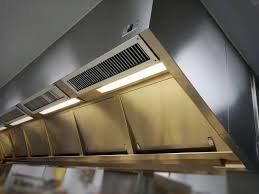
We assess how fan motor and terminal connections affects the complete extraction or ventilation system, including access, extraction flow, noise and preventive attention.
We assess how bearings and shaft condition affects the complete extraction or ventilation system, including access, extraction flow, noise and preventive attention.
We assess how belts, pulleys and drive alignment where fitted affects the complete extraction or ventilation system, including access, extraction flow, noise and preventive attention.
We assess how impeller or blade assembly affects the complete extraction or ventilation system, including access, extraction flow, noise and preventive attention.
We assess how mounting frame and vibration isolation affects the complete extraction or ventilation system, including access, extraction flow, noise and preventive attention.
We assess how local isolator and control wiring affects the complete extraction or ventilation system, including access, extraction flow, noise and preventive attention.
For roof extractor fan fault repairs, the starting point is the operating result the client needs rather than the size of the nearest available fan. On sites such as restaurant and commercial kitchen roof fans, industrial roof extraction units, warehouse roof exhaust fans, workshop roof fans, the same complaint can have several causes. A system that feels weak may be undersized, restricted, poorly supplied with incoming air or simply suffering from a failed component. We therefore inspect the relationship between fan motor and terminal connections, bearings and shaft condition, belts, pulleys and drive alignment where fitted, impeller or blade assembly, mounting frame and vibration isolation. The aim is to restore or create an air path that works under normal operating conditions, not only when doors are open or the premises is empty. That is why a useful site assessment looks at the roof-fan setup in operation rather than treating the roof extractor as an isolated appliance.
The technical side of roof extractor fan fault repairs becomes much clearer when the extraction flow path is broken into stages: where air enters the space, where heat, moisture or contaminants are generated, how those loads are captured, what resistance the roof extractor must overcome and where the air is finally discharged. In this fault repair visit the most important checks commonly include safe roof access before diagnostics, distinguishing motor faults from blocked roof-connected ductwork, checking rotation and blade condition, assessing corrosion and weather exposure, verifying electrical protection. Ignoring one of these can produce a fan that runs but does not solve the comfort or extraction problem. A practical installation or fault repair therefore combines roof fan assembly condition with building behaviour rather than focusing on a single component.
A successful outcome should be easy to describe in practical terms: unwanted heat, moisture, odour or stale air should leave the space more effectively; the roof extractor should operate without abnormal vibration or repeated tripping; and the premises should still admit enough incoming air for the exhaust system to perform. We avoid presenting extraction flow as a purely theoretical number because real running condition is shaped by grilles, filters, duct bends, roof cowls, louvres and pressure differences across the premises. The design or fault repair decision is therefore checked against how the premises actually operate.
This fault repair visit is relevant to restaurant and commercial kitchen roof fans, industrial roof extraction units, warehouse roof exhaust fans, workshop roof fans, plant-room extraction, residential roof-mounted extractor systems. Each application has a different balance between source capture and general ventilation. A kitchen may need capture directly above cooking roof fan assembly; a workshop may need general heat relief plus local extraction at particular processes; a roof fan may primarily remove high-level hot air; and a domestic hood may depend on a short, clean duct route to achieve useful suction. We use the application to define the duty instead of assuming that roof fan assembly carrying the same label performs the same job everywhere.
Operating hours also matter. roof fan assembly serving a busy commercial or industrial site can run for many hours each day, while a residential system may operate intermittently but still suffer from grease, moisture or poor roof-connected ductwork. High-duty systems need particular attention to motor temperature, bearings, belt condition, access and cleaning. Lower-duty systems still need correct sizing and a clear discharge route. Matching the fault repair visit to actual use helps prevent both overcomplicated installations and underperforming roof fan assembly.
Where the source involves hazardous chemicals, combustible dust or specialised process fumes, general extractor-fan work may not be sufficient. Those applications can require engineered source capture, filtration, fire controls or occupational-hygiene input. We keep this distinction clear so a general ventilation recommendation is not mistaken for a specialist hazardous-process control system.
For roof extractor fan fault repairs gauteng, the roof extractor is only one part of the working system. Relevant elements can include fan motor and terminal connections, bearings and shaft condition, belts, pulleys and drive alignment where fitted, impeller or blade assembly, mounting frame and vibration isolation, local isolator and control wiring, roof curb and weather protection, duct connection below the roof. If one element is badly restricted or incorrectly matched, replacing the roof extractor alone may deliver little improvement. That is why we diagnose accessible upstream and downstream components rather than treating the motor or casing as the whole job.
Ductwork deserves particular attention because every bend, reduction, rough connection and dirty section adds resistance. A fan that performs strongly in free air can deliver much less once connected to a restrictive duct run. The same applies to louvres and grilles: undersized or clogged openings increase pressure loss and noise. Where an existing duct route is fault repair visitable, retaining it can save cost, but only if its size and condition are compatible with the extraction flow the roof-fan setup needs.
Mounting and vibration control are equally important. Loose frames, thin panels, unbalanced impellers and rigid connections can transfer noise into roofs, ceilings and walls. high-duty commercial and industrial clients often notice this as a building vibration rather than a fan noise. Correcting the mechanical cause may prove to be more effective than simply fitting a quieter motor.
Common complaints include fan hums but will not start, roof fan starts then trips, strong vibration is transmitted into the premises, extraction flow has fallen even though the roof extractor runs, scraping, rattling or bearing noise, water or weather damage is visible, grease or dirt has accumulated around the impeller, the motor repeatedly overheats. We start by confirming exactly when the symptom occurs. A fan that is weak all day suggests a different fault from a fan that loses running condition only when doors close, filters become loaded or multiple systems run together. This operating pattern helps separate mechanical failure from building-pressure or duct-resistance problems.
The next step is to follow the extraction flow path. we trace blocked filters, dirty impellers, closed dampers, crushed flex, disconnected ducts, restrictive grilles and obvious leakage. On driven industrial fans we also inspect belts, pulleys and bearing condition; on smaller direct-drive units we focus more on the motor, capacitor where fitted, blade or wheel and control components. The intention is to build evidence before recommending parts.
After a fault repair or installation, the roof-fan setup is observed again under realistic conditions. We check direction of rotation, unusual noise, vibration, starting behaviour and whether air is actually leaving at the intended discharge. Where incoming air is part of the problem, opening and closing normal building doors can reveal how strongly pressure conditions affect the roof extractor.
The main planning factors for this fault repair visit include safe roof access before diagnostics, distinguishing motor faults from blocked roof-connected ductwork, checking rotation and blade condition, assessing corrosion and weather exposure, verifying electrical protection, checking vibration and mounting integrity, confirming whether the existing fan is still appropriate for the roof-fan setup duty, planning fault repair versus replacement. These are not separate checklist items; they interact. Moving a fan can shorten roof-connected ductwork but worsen preventive attention access. Increasing extraction flow can improve heat removal but create unacceptable noise or negative pressure. Adding filters can protect the roof-fan setup or occupants but also raises resistance. A balanced solution considers the complete operating condition.
Electrical supply and isolation are also part of planning. Motors should have an appropriate supply and a safe method of isolation for preventive attention. Industrial or roof roof fan assembly may have starters, overloads or local isolators that need to be checked as part of the wider fault. We do not assume every tripping problem is a failed motor, and we do not bypass protective devices simply to keep a fan running.
Access is especially important on commercial roofs, above ceilings and in production areas. roof fan assembly that cannot be reached safely is difficult to inspect and maintain. Where possible, new work should leave sensible access to motors, filters, belts, controls and duct inspection points rather than hiding them permanently behind finishes.
Roof-mounted roof fan assembly in Gauteng faces intense summer heat, thunderstorms, dust and large daily temperature changes. On industrial and commercial buildings in areas such as Boksburg, Germiston, Kempton Park, Alberton and Midrand, fans may also run for long hours and accumulate grease or process dust. In residential areas such as Randburg, Roodepoort and parts of Pretoria, roof access and weatherproofing may be as important as the roof extractor fault itself.
Our coverage includes Johannesburg, Sandton, Randburg, Roodepoort, Midrand, Germiston, Boksburg, Kempton Park, Alberton, Centurion, Pretoria and surrounding Gauteng areas. We use location pages to make fault repair visit coverage clear, but the technical recommendation is still based on the individual site. Two buildings in the same suburb can need completely different solutions because their roof construction, duct route, opening area and operating pattern are different.
For faster quoting, clients can send the suburb, building type, photographs of the roof extractor or hood where safe, a short description of the symptoms and any known model information. For new installations, a simple sketch of the room and likely discharge route may prove to be useful. Complex commercial or industrial work may still need a site assessment before the final scope is confirmed.
The practical workflow is designed to keep diagnosis and scope clear. We normally work through the following sequence: establish whether the roof extractor is safe to operate; inspect electrical supply, isolator and motor condition; check bearings, impeller, drive and mountings; inspect accessible duct connections and discharge path; test rotation, current symptoms and vibration after fault repair; advise when replacement is more sensible than repeated fault repair. The exact order can change with access and safety conditions, but the principle is consistent: understand the problem first, inspect the connected system, then decide what should be fault repaired, retained, upgraded or replaced.
Where a client has already received a recommendation to replace the entire system, we can still assess whether a more targeted fault repair is realistic. Conversely, where roof fan assembly has reached the point of repeated failures, extensive corrosion or unavailable parts, we will explain why further patch fault repairs may not offer good value. The objective is dependable operation rather than automatically choosing the cheapest or most expensive intervention.
After the work, we explain the main preventive attention points relevant to the installation. That may include filter cleaning, visual checks for vibration, keeping external grilles clear, recording belt or bearing fault repair visit and arranging periodic inspection for high-duty commercial roof fan assembly. Simple preventive attention habits often prevent a minor extraction flow decline from becoming an urgent breakdown.
preventive attention for roof extractor fan fault repairs gauteng should follow how hard the roof-fan setup works and what it handles. Grease-laden kitchen extraction, dusty industrial air and continuously operated commercial fans normally need more attention than lightly used domestic ventilation. A calendar interval is useful, but actual condition is more important. Filters that load quickly, belts that stretch, bearings that become noisy or motors that run hotter than usual are signs the fault repair visit frequency should be reviewed.
Routine checks can include cleaning accessible grilles and filters, confirming that external outlets are not blocked, listening for new bearing or vibration noise, checking mounts and observing whether extraction flow has changed. Industrial systems may also need belt tension, pulley alignment and motor condition recorded. Keeping a simple fault repair visit history helps identify repeat faults and makes later diagnosis faster.
Cleaning is not only cosmetic. Build-up on an impeller can reduce extraction flow and create imbalance; dirty filters raise resistance; grease can attack flexible connectors and contaminate motors; and blocked louvres can cause a perfectly healthy fan to underperform. preventive attention therefore protects both extraction flow and roof fan assembly life.
The decision between fault repair and replacement depends on the failed component, age of the roof fan assembly, availability of parts, condition of the casing or ductwork, and whether the existing fan is still appropriate for the duty. A motor or bearing replacement makes sense when the rest of the assembly is sound. Complete replacement becomes more attractive when corrosion, repeated overheating, obsolete parts or chronic undersizing are present.
Upgrades do not always mean installing a larger fan. Better duct routing, a less restrictive grille, fault repaired leakage, improved incoming air or a properly sized filter can sometimes deliver more useful extraction flow without a dramatic increase in motor size. Larger fans can also increase noise and negative pressure, so capacity should be matched to the roof-fan setup rather than selected on headline extraction flow alone.
Where new roof fan assembly is recommended, we consider future servicing as part of the selection. Standardised motors, accessible bearings, removable panels and sensible isolation make the roof-fan setup easier to maintain. For businesses with several Gauteng sites, choosing fault repair visitable roof fan assembly can also simplify spares and preventive attention planning across the portfolio.
Fans often sit near electrical supplies, roofs, rotating roof fan assembly, hot surfaces or contaminated roof-connected ductwork. Safe isolation and access come before fault finding. We will not treat an unsafe roof, exposed live component or inaccessible rotating assembly as an ordinary fault repair visit task. Where additional access roof fan assembly or specialist electrical work is required, that is identified as part of the scope.
General extraction and ventilation should also not be presented as a universal control for hazardous materials. Combustible dust, toxic chemicals, laboratory fumes and some welding or process emissions may need specialist design, filtration, monitoring or fire controls. If the site falls into that category, the correct next step can include bringing in an appropriately qualified specialist rather than installing a generic fan.
For ordinary commercial, industrial and residential extraction, our role is to provide practical installation, fault repair and preventive attention support and to explain how fan running condition is affected by roof-connected ductwork, air supply, mounting and operating conditions. That clarity helps clients make informed decisions without overstating what a general ventilation system can achieve.
Explore the related Gauteng fault repair visit page for installation, fault repairs, extraction flow or system-specific information.
Explore the related Gauteng fault repair visit page for installation, fault repairs, extraction flow or system-specific information.
Explore the related Gauteng fault repair visit page for installation, fault repairs, extraction flow or system-specific information.
Explore the related Gauteng fault repair visit page for installation, fault repairs, extraction flow or system-specific information.
Common causes include bearing wear, loose mountings, impeller damage, debris, motor problems or vibration being transferred into the roof structure.
Many faults may prove to be fault repaired at the roof extractor or mounting point, although some extraction flow problems require inspection of the connected duct system.
Overheating motors, electrical faults, seized bearings, overloaded drives or inappropriate fan duty can all contribute and should be tested rather than guessed.
Yes, we work on commercial kitchen roof extraction where the roof extractor, roof-connected ductwork and access conditions fall within our fault repair visit scope.
Yes. Our Gauteng coverage includes Germiston, Boksburg, Kempton Park, Benoni and surrounding industrial and commercial areas.
Tell us where in Gauteng the property is located, what type of building or system you have and what you need the extraction or ventilation system to do. We can then establish whether the next step is a fault repair visit call, fault repair assessment or installation survey.