
Commercial & industrial extraction across Gauteng+27 69 747 3836info@extractorfanexperts.co.za
Bag filter dust collectors

Bag Filter Dust Collectors Gauteng

Bag filter dust collector installation, upgrades, ducting integration and maintenance support for industrial extraction systems across Gauteng.

What this service covers

Bag Filter Dust Collectors: planned as part of the full extraction path.

Bag filter collectors can suit many dry-dust applications when the dust characteristics, loading, operating pattern and maintenance requirements are appropriate. Collector selection should be based on the actual process material and site conditions rather than filter style alone.

Our work can include source-capture connections, ducting, collector or filter integration, extraction fans, system alterations, repairs and maintenance. We use the actual site layout and process information to decide what needs attention rather than treating every dust problem as an equipment-replacement job.

Typical applicationsBag filter collectors and associated extraction systems • factories • workshops • warehouses • production areas • machine extraction • system upgrades
Industrial enquiry

Tell us about the dust source

Send the site area, process and what you want captured or improved. Photos can be sent on WhatsApp after submitting.

For hazardous, combustible or process-sensitive dust, suitability must be assessed from the actual material and site conditions before equipment is selected.
System thinking

Bag filters are one part of the collector decision

Filter media, dust loading, cleaning method, hopper arrangement, access and disposal all affect whether a bag collector is suitable. The rest of the extraction system still needs a workable source capture and duct path.

Dust extraction performance depends on the complete route from the process to the final air-handling point. A strong fan cannot rescue every poor capture point, and a new collector cannot fix every blocked, leaking or badly altered duct network.

A larger collector is not automatically a better system

Oversizing one component without considering duct resistance, branch use and capture can waste space and power while leaving the original source problem unresolved. Equipment should be matched to the full system duty.
Material-specific assessment matters: Fine, combustible, toxic, reactive, sticky, hot or wet dust may need specialist controls and equipment. We avoid presenting a generic collector as suitable until the material and process are understood.
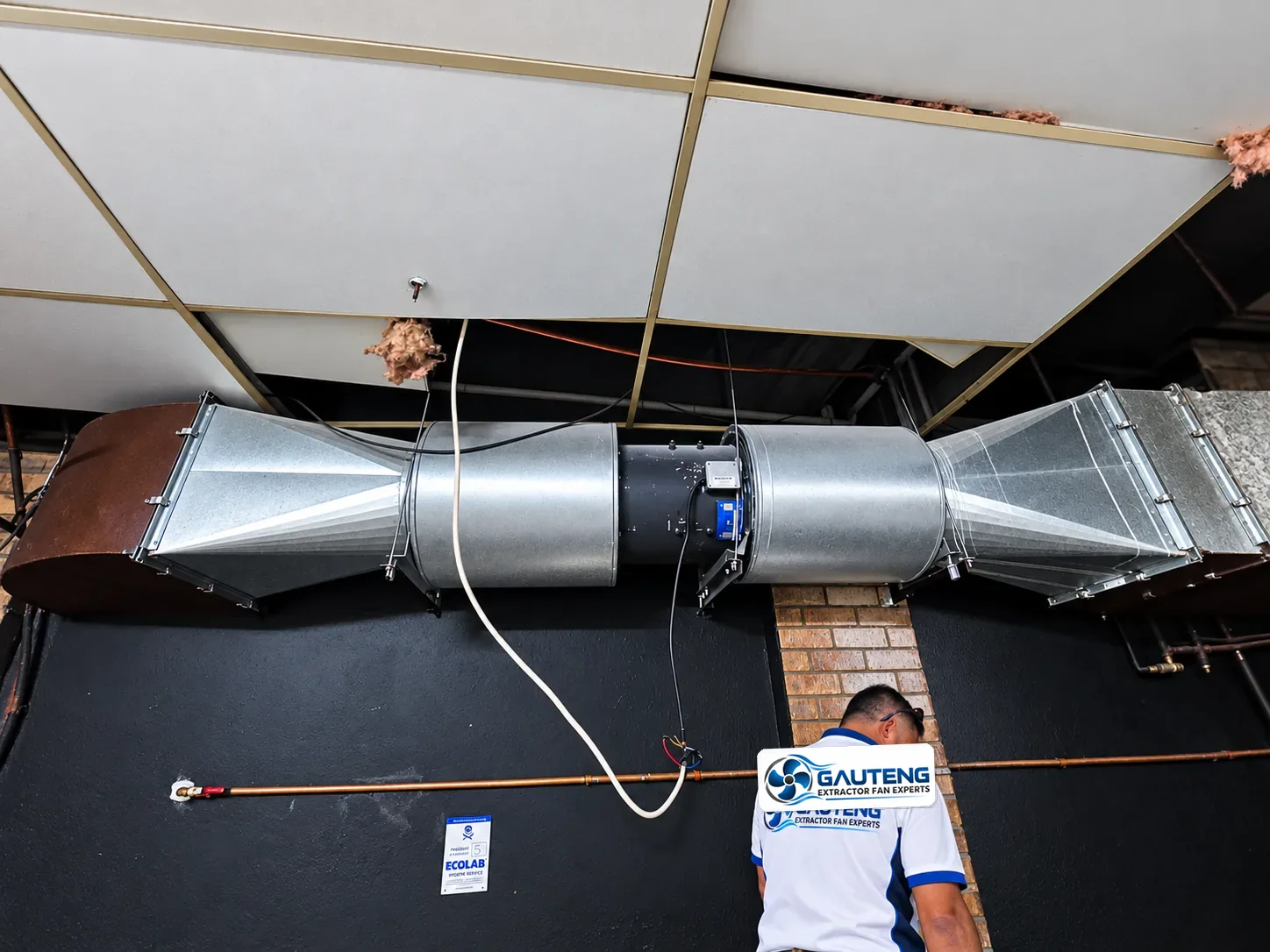
Existing industrial extraction ductwork being assessed for repair or alteration
Real industrial extraction ducting from our project work.
A complete project view

Six parts we check before treating the dust collector as the whole solution

01

Dust source

What process creates the contaminant, what material is involved and how consistently is it generated?

02

Capture point

Can dust be captured at the machine, enclosure, hood or workstation before it disperses into the room?

03

Duct path

Are branches, transitions, bends and mains arranged to move the extracted air without avoidable restrictions or leaks?

04

Collector / filters

Is the filtration arrangement suitable for the actual dust loading, material and maintenance pattern?

05

Fan & controls

Does the fan arrangement suit the system resistance and operating pattern, and are obvious motor/control faults ruled out?

06

Maintenance & change

Can the system be serviced, and can likely future machine or branch changes be accommodated without rebuilding everything?
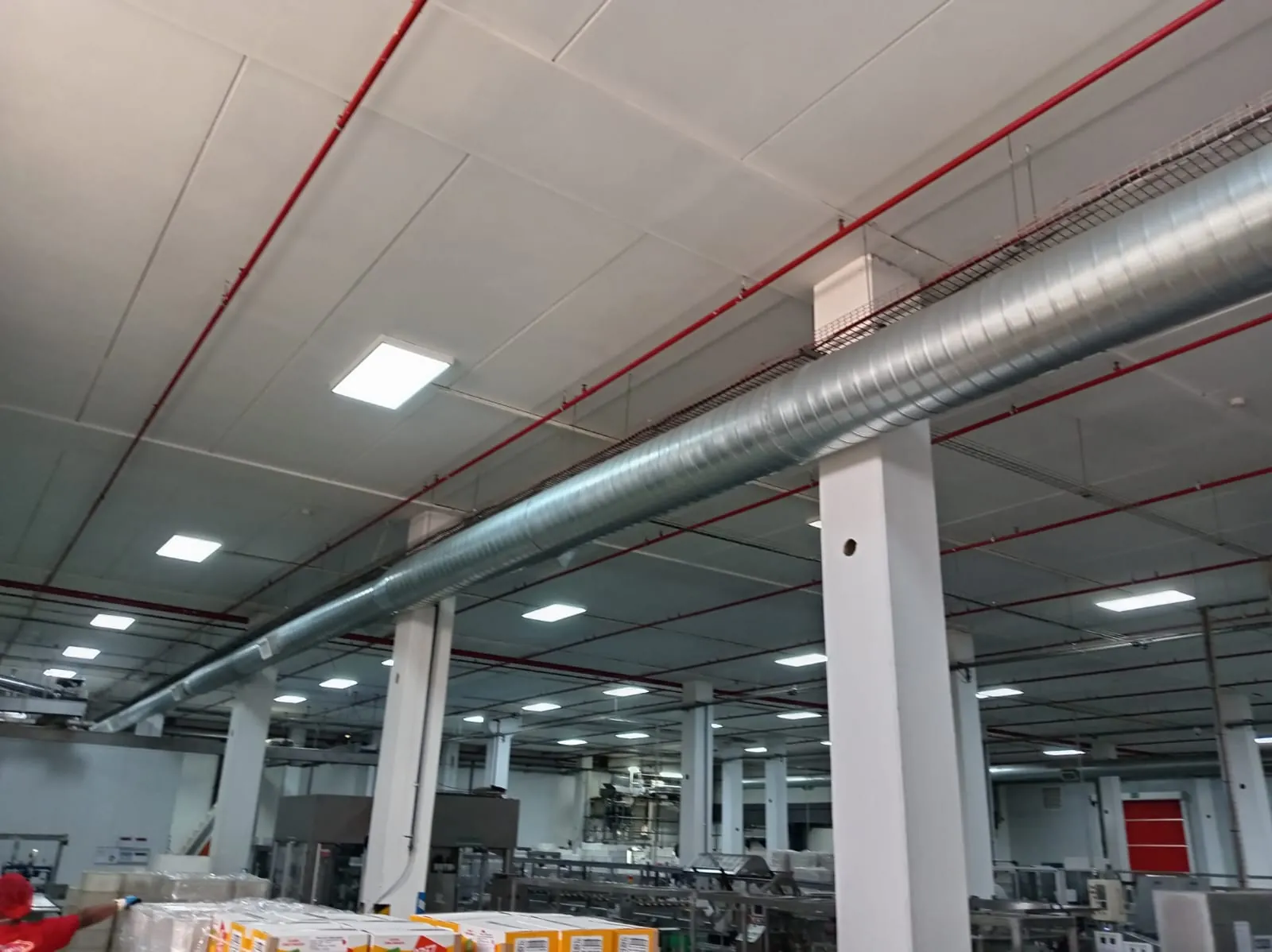
Galvanised spiral extraction ducting suspended through a factory
Suspended extraction ducting and fabricated transitions from our project work.
Site assessment

What we need to know before selecting equipment or quoting modifications

Send the process, dust material, number of capture points, existing equipment, operating hours and clear photos of the work area. If you have machine outlet sizes, existing collector details or maintenance history, include those too. Site measurements are still important, but good initial information helps narrow the assessment.

  • Process and material producing the dust
  • Number and location of machines or workstations
  • Which points run simultaneously
  • Existing duct, fan or collector condition
  • Available space for collector and service access
  • Production constraints and access hours
  • Symptoms such as weak suction, leaks or filter loading
  • Any known hazard or material safety information
Project evidence

Real extraction and ducting work from our team.

The photos used across this dust-collection cluster are supplied project images from our commercial and industrial extraction work. They show the scale, routing and fabrication quality behind the systems we install and modify.
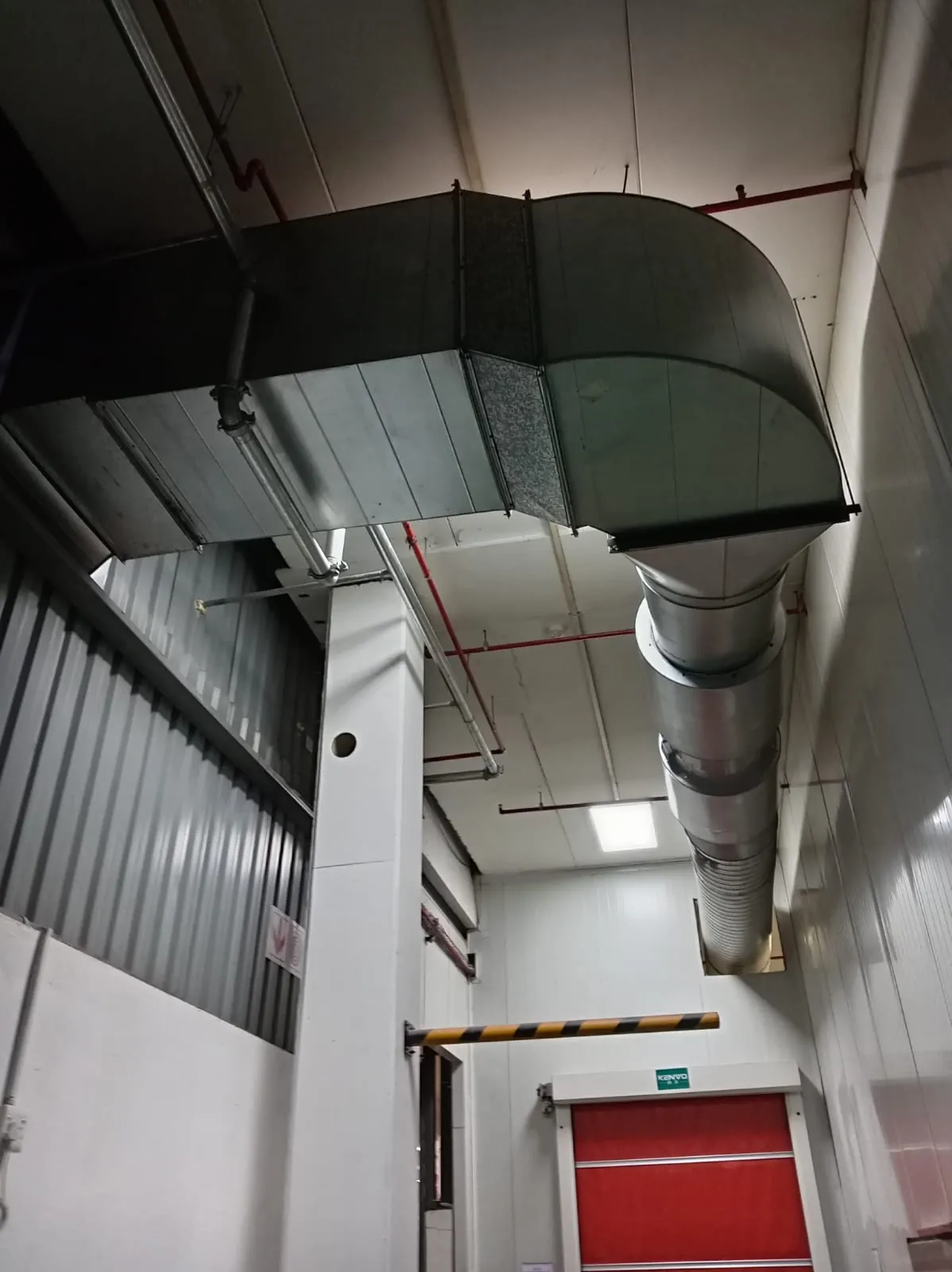
Fabricated rectangular-to-round extraction duct transition
Existing industrial extraction ductwork being assessed for repair or alteration
Galvanised spiral extraction ducting suspended through a factory

Photos demonstrate our extraction and ducting work. The exact dust collector, filtration and safety configuration for your site must be selected from the process and material involved.

FAQ

Bag Filter Dust Collectors questions

Useful answers before installation, repair or system changes.

Do you provide bag filter dust collectors across Gauteng?

Yes. We support bag filter collectors and associated extraction systems for industrial and commercial premises across Johannesburg, Pretoria/Tshwane, Ekurhuleni, Midrand, Centurion and surrounding Gauteng areas.

What is the difference between dust extraction and general ventilation?

Dust extraction captures contaminated air close to the process and moves it through a dedicated duct and collection path. General ventilation mainly changes or moves room air. For process dust, source capture is usually the more direct control strategy.

Can you connect dust extraction to existing machinery?

Often, yes, but the existing machine outlets, branch sizes, duct route, simultaneous use and collector capacity need to be assessed before new branches are added. Adding a branch without checking the whole system can reduce suction elsewhere.

Do you repair weak industrial dust extraction systems?

Yes. Weak suction can come from loaded filters, blocked or leaking ductwork, damaged branches, poor capture, a fan or motor problem, changed machinery or an undersized system. Fault finding should consider the complete air path.

Can every type of industrial dust use the same collector?

No. Dust characteristics matter. Fine, hazardous, combustible, sticky, moist, hot or reactive materials can require different equipment and safety controls. The material and process should be reviewed before equipment is selected.

Industrial extraction enquiry

Need help with bag filter dust collectors?

Send the site area, process and a few photos. We will use that information to understand the system and identify the next practical step.

Industrial enquiry

Tell us about the dust source

Send the site area, process and what you want captured or improved. Photos can be sent on WhatsApp after submitting.

For hazardous, combustible or process-sensitive dust, suitability must be assessed from the actual material and site conditions before equipment is selected.
WhatsApp
WhatsAppCall Now