
The hood or pickup is too far from the dust source, badly oriented or partly obstructed.
Gauteng industrial dust-control specialists
Industrial Dust Collection & Extraction Systems Across Gauteng
We plan, install, alter, repair and maintain industrial dust extraction systems for factories, workshops, warehouses and production environments. Our approach starts at the dust source and follows the full air path through capture, ducting, collection and fan performance.
What we mean by a complete system
Industrial dust control is more than buying a dust collector.
A collector is only one part of the air path. Useful source capture depends on how close the pickup is to the process, how the duct branches are laid out, what resistance the system creates, how the fan performs under that resistance, what filtration is appropriate for the material and how the system can be maintained.
We work across those connected components so a repair or upgrade is aimed at the cause of poor capture—not just the most visible piece of equipment.
Core Gauteng service scopeDust collector installation • local exhaust ventilation • dust extraction ducting • factory systems • woodworking extraction • grinding / fabrication extraction • collector repairs • fan and airflow fault finding
Dust collection services
Choose the problem or system closest to your site.
Each page below focuses on a specific dust-control need. For mixed or unclear problems, start with a site assessment and send photos of the source, existing collector and duct route.
How we approach a project
Start at the source. Then design or repair the route the air actually follows.
The first question is what creates the dust. A saw, sander, grinder, transfer point, powder process or production machine each creates a different capture challenge. From there, we look at the pickup arrangement, number of branches, simultaneous use, collector location, maintenance access and fan duty.
That system view is especially important when an old installation has been modified repeatedly. A larger fan can sometimes increase noise and energy use without fixing the real limitation if the pickup geometry, filters or duct path are still restrictive.
When we recommend more investigation before equipment selection
If the dust may be combustible, toxic, reactive, hot, sticky, wet or otherwise process-sensitive, material information is needed before a collector or filter style is treated as suitable. Safety-critical requirements should be handled with the appropriate competent engineering and compliance input.
Where the system fails
Common reasons industrial dust extraction loses suction
Filters are loaded, damaged or not being cleaned as intended, increasing system resistance.
Blocked branches, crushed flex, abrupt transitions, leaks or accumulated material reduce the useful airflow at the source.
Extra machines or branches were added without checking how the original collector and fan would share the new duty.
Drive, rotation, motor, impeller, bearing or control problems can reduce performance or create noise and vibration.
Collectors that are difficult to empty, inspect or service are more likely to operate with overdue maintenance.
Project evidence
Real extraction and ducting work from our team.
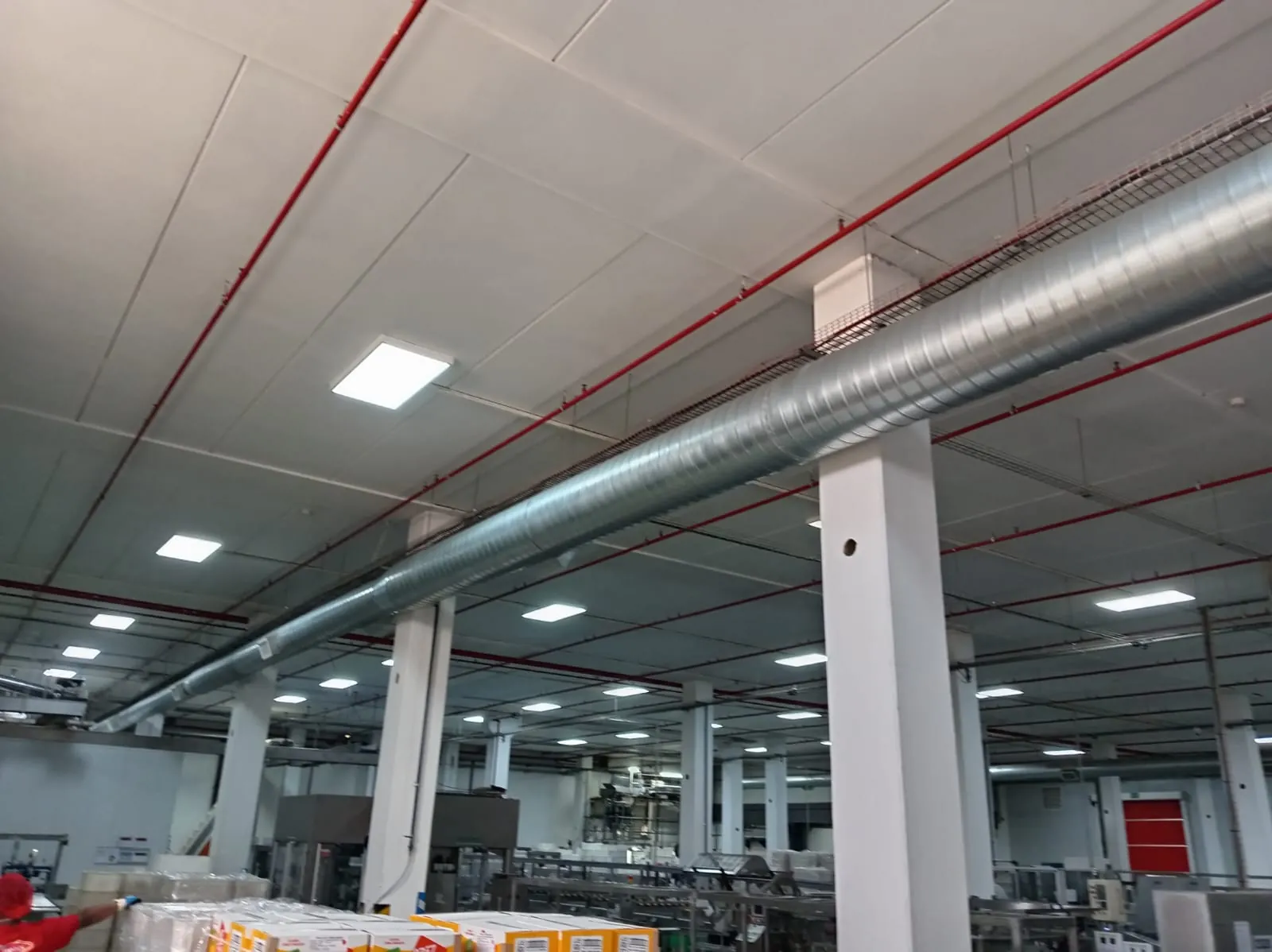
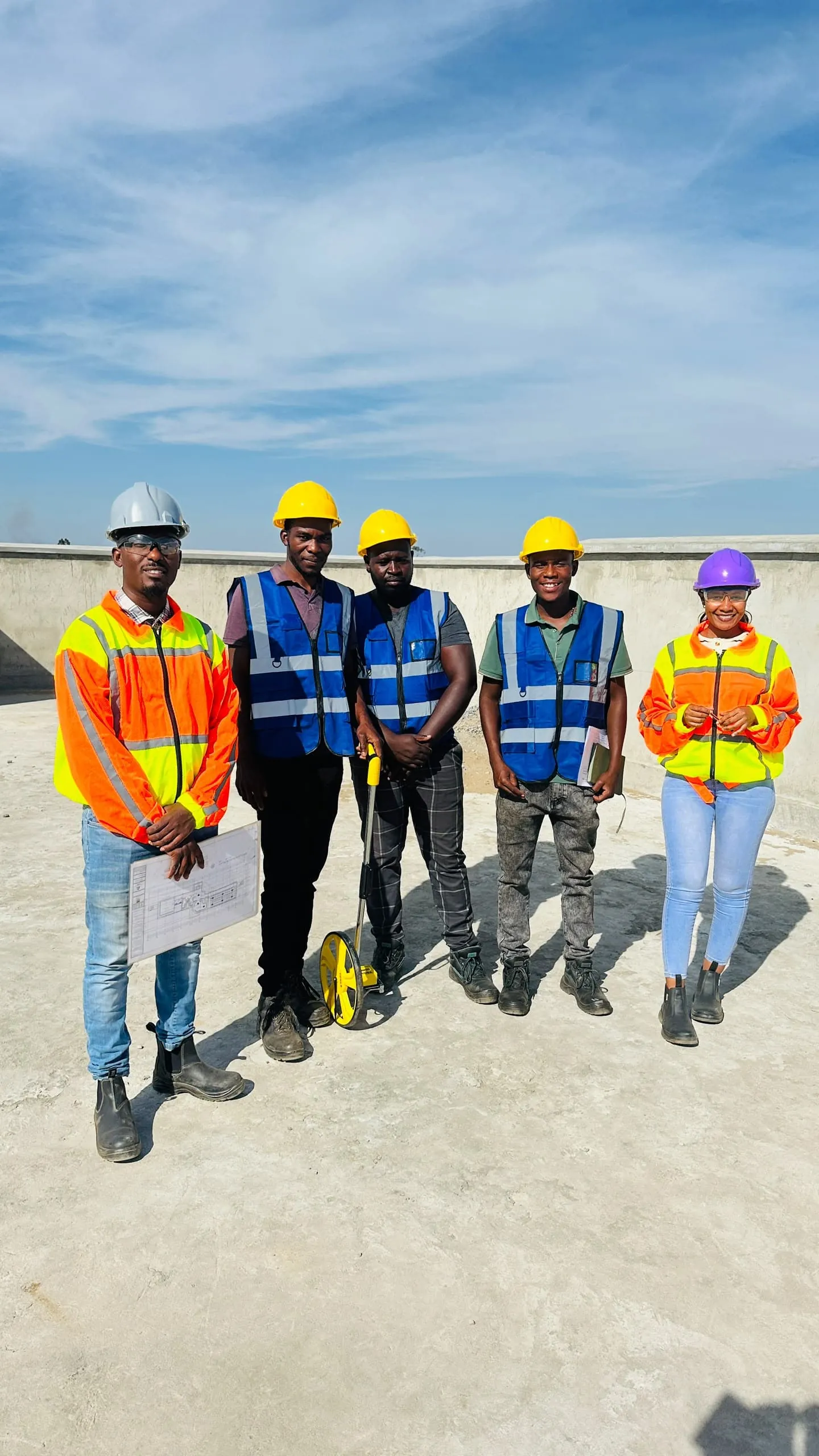
The photos used across this dust-collection cluster are supplied project images from our commercial and industrial extraction work. They show the scale, routing and fabrication quality behind the systems we install and modify.
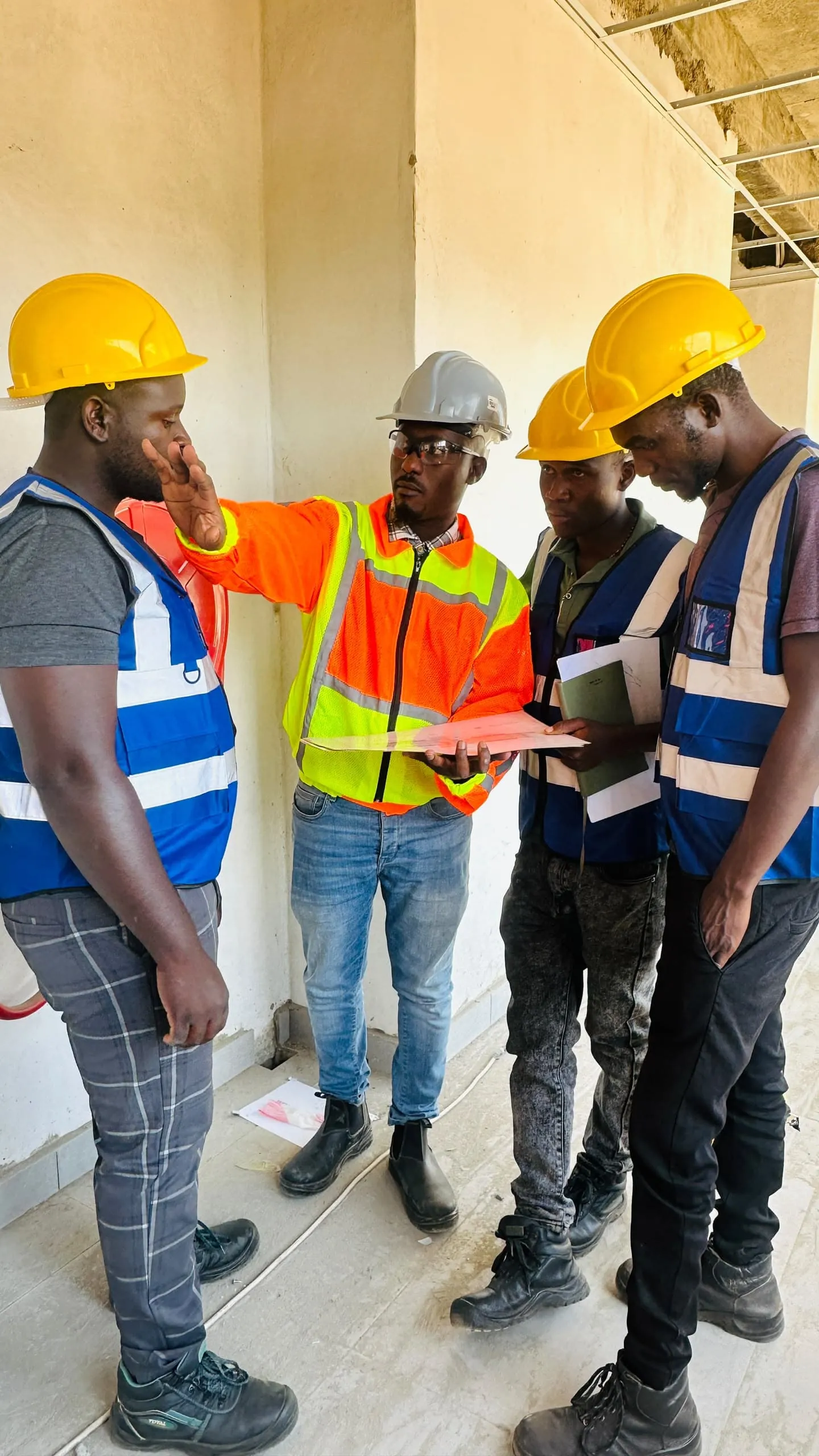
Photos demonstrate our extraction and ducting work. The exact dust collector, filtration and safety configuration for your site must be selected from the process and material involved.
Gauteng coverage
Industrial dust extraction pages for key manufacturing and logistics areas.
These local pages are written for the site and process questions that matter in each industrial area, with links back to the main system and technical service pages.
JohannesburgIndustrial dust extraction & collection →PretoriaIndustrial dust extraction & collection →EkurhuleniIndustrial dust extraction & collection →GermistonIndustrial dust extraction & collection →BoksburgIndustrial dust extraction & collection →BenoniIndustrial dust extraction & collection →Kempton ParkIndustrial dust extraction & collection →IsandoIndustrial dust extraction & collection →Jet ParkIndustrial dust extraction & collection →WadevilleIndustrial dust extraction & collection →AlrodeIndustrial dust extraction & collection →AlbertonIndustrial dust extraction & collection →MidrandIndustrial dust extraction & collection →CenturionIndustrial dust extraction & collection →RosslynIndustrial dust extraction & collection →SilvertonIndustrial dust extraction & collection →City DeepIndustrial dust extraction & collection →SelbyIndustrial dust extraction & collection →Crown MinesIndustrial dust extraction & collection →Linbro ParkIndustrial dust extraction & collection →
Project planning checklist
Send these details before a site visit to speed up the first assessment.
1. ProcessWhat operation creates the dust?
2. MaterialWhat is being cut, ground, sanded, transferred or processed?
3. SourcesHow many machines or capture points are involved?
4. Simultaneous useWhich extraction points need to run at the same time?
5. Existing equipmentIs there a current collector, fan or duct network?
6. Site constraintsWhere can equipment be installed and maintained?
For hazardous or combustible dust, include the available material safety or process information so suitability is not guessed from photographs alone.