Extraction canopies
Wall-mounted and island canopies for commercial cooking lines, including assessment of capture and practical integration with the wider system.
Commercial kitchen extraction in Springs for restaurants, hotels, canteens and food businesses. We work on canopies, extractor fans, ducting, repairs, upgrades and maintenance with the complete airflow path in mind.
Send your Gauteng location and service requirement. For the fastest response, WhatsApp photos of the fan, canopy, ducting or fault after submitting.
Chat on WhatsAppCommercial kitchen extraction in Springs needs to be designed around the building, the cooking duty and the way the kitchen actually operates. A canopy can look large enough and a fan can sound powerful, yet smoke, heat and grease can still escape if capture, duct resistance, discharge position and replacement air are not working together. We provide installation, repair, upgrade and maintenance support for restaurants, takeaways, factory canteens, industrial kitchens across Springs CBD, Selection Park, Strubenvale, Geduld and surrounding Gauteng areas.
Our approach is system-first rather than product-first. We look at the canopy or hood, filters, extractor fan, motor, electrical controls, duct route, roof or wall discharge, access for maintenance and the air that must enter the building to replace what is extracted. That is especially important in Springs, where commercial properties vary widely and an arrangement that works in one building may be unsuitable a few streets away.
For local businesses searching for commercial kitchen extraction Springs, the practical question is usually whether a new system is required, whether an inherited installation can be improved, or why an existing system has started under-performing. We use the site condition and operating symptoms to separate those situations before recommending work.
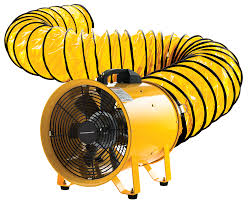
Springs has longstanding industrial activity, so commercial kitchen extraction is often tied to staff canteens as well as restaurants and takeaways. Shift-based kitchens can place heavy operating hours on motors and fan assemblies.
High-level industrial ducting can hide developing problems. Grease leakage, vibration or a damaged support may start far from the canopy and only become obvious when airflow falls or noise increases.
For restaurant and takeaway premises in established commercial areas, available discharge points can be more limited. The route must remove fumes effectively without sending odour or noise toward neighbouring businesses and homes.
Maintenance planning is especially useful for industrial kitchens because a failure shortly before a shift meal can disrupt a large number of staff. Monitoring noise, vibration and airflow trends can help identify work before complete breakdown.
Wall-mounted and island canopies for commercial cooking lines, including assessment of capture and practical integration with the wider system.
Fan installation, replacement and fault diagnosis for systems handling heat, smoke, odours and grease-laden air.
New duct routes, damaged-section replacement, transitions, supports and routing changes where the existing arrangement is unsuitable.
Diagnosis of noisy, weak, intermittent or failed extraction, including fan, motor, control and mounting problems.
Assessment of the air entering the building to replace extracted air, particularly where doors, dining areas or canopy capture are affected.
Planned checks for fan condition, vibration, filters, accessible ductwork, controls and developing reliability problems.
Maintenance is important because commercial kitchen extraction in Springs handles grease, heat and long operating hours. Filters become loaded, fan wheels collect residue, belts and bearings wear where fitted, electrical connections can loosen and duct joints can deteriorate. The rate depends on the cooking process and how intensively the kitchen operates.
A useful maintenance routine separates frequent operator tasks from periodic technical work. Kitchen staff may clean removable filters according to the cooking load, while specialist inspection can focus on fan condition, motor performance, mounts, controls, accessible ductwork and signs of leakage or abnormal vibration.
Factory meal times, shift changes and restaurant peaks influence when systems can be isolated for repair or upgrade. Maintenance planning should respect those operating patterns. It is usually easier and cheaper to address developing noise, vibration or airflow loss during a planned visit than to wait for a complete failure during peak service.
Cleaning and maintenance are related but not identical. Cleaning removes grease and contamination; mechanical maintenance checks whether the system is physically and electrically healthy. A clean fan can still have worn bearings, and a mechanically sound fan can still under-perform when filters or ductwork are badly contaminated.
We encourage clients to keep simple records of recurring faults, motor replacements, fan changes and major duct modifications. That history becomes valuable when a system begins failing repeatedly or when a new tenant changes the cooking load.
Restaurant ventilation in Springs is a balance between what leaves and what enters. An extractor system that removes smoke and heat effectively still needs enough incoming air to sustain that airflow.
When make-up air is ignored, operators often notice secondary symptoms first: a hot dining room, doors pulling closed, smells spreading, whistling gaps or a canopy that works better when a rear door is open. Those clues can indicate a pressure problem rather than a failed fan.
A useful assessment considers extraction volume, the path of incoming air, cooking load and the relationship between kitchen and adjacent spaces. The kitchen usually needs to remain controlled relative to dining or customer areas so fumes do not migrate outward.
If changes are required, they may involve supply-air openings, dedicated make-up air, fan adjustment, duct modifications or a combination of measures. The appropriate response depends on the building and cannot be determined from fan size alone.
A Springs commercial kitchen is not designed in isolation from its property. Springs has a strong industrial base alongside established retail and residential-commercial areas. Extraction demand therefore includes both restaurant kitchens and canteens operating around industrial shifts. The same cooking line can need a different fan arrangement simply because the building provides a different duct path and different conditions around the discharge point.
Site constraints are therefore identified early. Industrial roofs, ageing duct routes and inherited equipment can complicate upgrades, while smaller food businesses may have restricted discharge options. This reduces the risk of arriving on installation day with a layout that cannot be supported, accessed or maintained properly.
Airflow losses accumulate through the system. Ductwork can involve high-level roof runs, external vertical risers or compact wall discharges depending on the property. Every metre, bend, transition, filter and grille has an effect, so fan selection needs to reflect the completed route rather than just the canopy opening.
Factory meal times, shift changes and restaurant peaks influence when systems can be isolated for repair or upgrade. Where a complete shutdown is not practical, work can often be divided into preparation, removal, installation and commissioning stages so the client understands the likely disruption.
A realistic Springs example is a Springs factory canteen with a failing roof fan. Another is a CBD takeaway with grease build-up. Those jobs may share the same primary keyword, but they should not receive identical equipment automatically because the cooking load, route, controls and building conditions can be different.
Industrial sites may tolerate more plant noise internally, but vibration, structural transmission and nearby residential edges still require attention. This is why we consider mounting, flexible connections where appropriate, fan speed, bearing condition and structural transmission when a system is being installed or repaired.
Breakdowns are particularly disruptive for restaurants and canteens in Springs because the extraction system is tied directly to normal kitchen operation. A fan that stops completely is obvious; gradual deterioration is easier to miss until smoke, heat or odour become difficult to control.
Sites such as a CBD takeaway with grease build-up and a catering kitchen planning a system upgrade illustrate why inherited systems need careful inspection. Previous repairs, changed cooking equipment and altered duct routes can leave a system operating outside the conditions it was originally intended for.
Our fault-finding process follows the airflow path. We begin with the complaint, observe the system where possible, check accessible components and then narrow down the likely causes. This reduces unnecessary replacement and helps distinguish urgent mechanical faults from longer-term design problems.
After repair, the system should be assessed under realistic operating conditions where practical. A fan spinning freely with an empty kitchen is not the same as a complete extraction system capturing heat and fumes during active cooking.
The local search phrase commercial kitchen extraction Springs covers several different kinds of client. Our relevant enquiries can come from restaurants, takeaways, factory canteens, industrial kitchens, retail food outlets, catering operations. Those premises do not share the same airflow duty, so the page is structured around the common system principles while recognising the different operating environments.
Coverage includes Springs CBD, Selection Park, Strubenvale, Geduld, with work also considered in New State Areas, Dersley, Bakerton, Nuffield and surrounding Gauteng areas. We use those place names to make the service area clear, not to pretend every suburb has an identical kitchen or a separate office.
One local scenario is a Springs factory canteen with a failing roof fan. Another is a catering kitchen planning a system upgrade. The first may be primarily a fit-out and integration problem, while the second can be a repair or performance problem. Local SEO is more useful when it helps the correct customer reach the correct service than when it simply repeats the area name.
For a quotation in Springs, useful information includes the exact suburb, the type of premises, the cooking equipment beneath the canopy, whether an extraction system already exists, the main symptom or requested work, and photographs of the canopy, fan, ducting and controls where safely accessible.
A site visit is normally the point at which routing, dimensions, fan position, electrical condition and access can be confirmed. Remote information helps us understand the enquiry, but it should not be treated as a substitute for checking a commercial extraction system that may affect safety, operations and neighbouring properties.
Reliable extraction depends on several components doing their jobs together. The canopy must capture the plume rising from the cooking equipment; filters need to intercept grease without becoming excessively restrictive; ducting must transport the contaminated air; the fan has to create enough pressure and volume; and the discharge must release air in an appropriate location. When one part is weak, the symptoms can appear elsewhere in the system.
Canopy sizing in Springs is not only about matching the length of the cooking line. Appliance type, heat output, the position of fryers or grills, canopy height and cross-draughts all influence capture. A canopy that is physically wide enough can still lose smoke at the front edge if the air velocity is poor or replacement air pushes the plume away from the filters.
Commercial extractor fans also need to be selected for the system resistance they will face. Centrifugal fans are often used where duct resistance is significant, while other fan types may suit lower-pressure duties. The correct decision depends on the airflow requirement, duct route, grease exposure, noise expectations, installation position and maintenance access rather than the fan label alone.
Ductwork deserves equal attention. Undersized sections increase resistance, badly formed transitions disturb airflow, leaking joints allow grease and odour to escape, and inaccessible routes become difficult to maintain. Where an existing Springs system is being reused, we inspect the route that can be accessed before deciding whether a new fan is enough.
Controls and electrical condition complete the mechanical picture. Repeated tripping, overheating motors, intermittent starts or a fan that slows after operating for a period can point to electrical or mechanical faults. Repair work should identify the cause rather than repeatedly resetting the system or fitting components without checking the wider load.
Commercial fit-outs in Springs work best when the extraction contractor understands both airflow and the realities of the building programme. Duct supports, access panels, roof penetrations and fan bases all need to be coordinated with other trades.
Existing kitchens need the same level of care. A cbd takeaway with grease build-up may have an apparently complete system that still requires changes before the new operator can rely on it. Reusing equipment can be cost-effective when the equipment is suitable; reusing the wrong equipment only transfers the problem into the new fit-out.
We distinguish cosmetic condition from functional condition. A stainless canopy may clean up well while the hidden duct route is leaking or restricted; an old fan may look rough yet remain mechanically serviceable after maintenance. The recommendation should follow performance and condition, not appearance alone.
Commissioning at the end of the work should confirm operation, controls, obvious vibration and capture behaviour. Any limitations that remain should be explained so the operator knows what to monitor during normal trading.
We confirm the Springs suburb, premises type, cooking equipment, symptoms and whether the enquiry is for a new installation, repair or upgrade.
Canopy, filters, fan, motor, controls, accessible ductwork, discharge position and replacement-air conditions are considered as one system.
We separate repairs that can restore service from upgrades needed because the existing arrangement is unsuitable for the current duty.
Roof access, work hours, landlord requirements, electrical isolation and kitchen trading periods are included in the work plan.
Work is completed to the agreed scope with attention to supports, joints, fan mounting, controls and service access.
The system is run and obvious capture, noise, vibration and control issues are checked before handover where conditions allow.
The purpose of this process is to avoid treating a Springs extraction problem as a shopping list. A fan, canopy or duct section only has value when it fits the duty and works with the rest of the system. Site information allows the scope to be narrowed before cost is committed.
Where an urgent breakdown is affecting trade in Springs, the immediate goal may be restoring safe, dependable extraction. Where the system still operates but has always performed poorly, a broader performance assessment is usually more useful than an emergency-style component swap.
Documentation also helps future maintenance. Knowing what fan was installed, what motor was replaced, where access points are located and what duct changes were made can make later fault finding faster and reduce repeated exploratory work.
Use the specialist page for deeper information on this part of the extraction system.
Use the specialist page for deeper information on this part of the extraction system.
Use the specialist page for deeper information on this part of the extraction system.
Use the specialist page for deeper information on this part of the extraction system.
Use the specialist page for deeper information on this part of the extraction system.
Use the specialist page for deeper information on this part of the extraction system.
For wider location coverage, see our Gauteng service areas. Businesses with an existing indexed local repair page can also use the repair section to move between general extractor-fan faults and full commercial kitchen extraction.
Yes. We provide commercial kitchen extraction installation and upgrade services in Springs and surrounding Gauteng areas for restaurants, canteens, hotels and other food-service premises.
Yes. We investigate faults such as weak extraction, abnormal noise, vibration, tripping, motor problems and fan failure, while also checking whether duct or airflow restrictions are contributing.
Coverage includes Springs CBD, Selection Park, Strubenvale, Geduld and surrounding areas, subject to site access and scheduling.
Sometimes. Reuse depends on condition, size, route, cleanliness, access and whether the existing components remain suitable for the present cooking load.
Extraction removes air from the building. Adequate replacement air helps maintain controlled airflow and can reduce problems such as excessive negative pressure, drafts and poor canopy capture.
Send the Springs suburb, premises type, work required, main symptoms, cooking equipment and clear photos of the canopy, fan, visible ducting and controls where safe to photograph.
Tell us the suburb, type of premises, cooking setup and whether you need a new installation, upgrade, repair or maintenance visit. For a breakdown that is affecting trade, call to explain whether the fan is completely down or still running at reduced performance.