
Dust source
What process creates the contaminant, what material is involved and how consistently is it generated?
Dust extraction systems for woodworking machines, joinery shops, cabinet workshops and timber-processing environments across Gauteng.
Woodworking dust is generated directly at saws, sanders, planers, routers and other machines. Effective collection therefore depends on capture close to the machine, practical branch connections and a collector arrangement that is suitable for the material and working pattern.
Our work can include source-capture connections, ducting, collector or filter integration, extraction fans, system alterations, repairs and maintenance. We use the actual site layout and process information to decide what needs attention rather than treating every dust problem as an equipment-replacement job.
Saws, sanders, planers and routers generate dust at specific points. Connecting those points to a suitable duct system can contain material earlier, reducing the amount that settles on benches, stock and equipment.
Dust extraction performance depends on the complete route from the process to the final air-handling point. A strong fan cannot rescue every poor capture point, and a new collector cannot fix every blocked, leaking or badly altered duct network.
Fine wood dust can present health and fire/explosion hazards. Collector and duct arrangements therefore need to be assessed for the actual material, dust loading and process rather than copied from a generic workshop setup.
What process creates the contaminant, what material is involved and how consistently is it generated?
Can dust be captured at the machine, enclosure, hood or workstation before it disperses into the room?
Are branches, transitions, bends and mains arranged to move the extracted air without avoidable restrictions or leaks?
Is the filtration arrangement suitable for the actual dust loading, material and maintenance pattern?
Does the fan arrangement suit the system resistance and operating pattern, and are obvious motor/control faults ruled out?
Can the system be serviced, and can likely future machine or branch changes be accommodated without rebuilding everything?
Send the process, dust material, number of capture points, existing equipment, operating hours and clear photos of the work area. If you have machine outlet sizes, existing collector details or maintenance history, include those too. Site measurements are still important, but good initial information helps narrow the assessment.
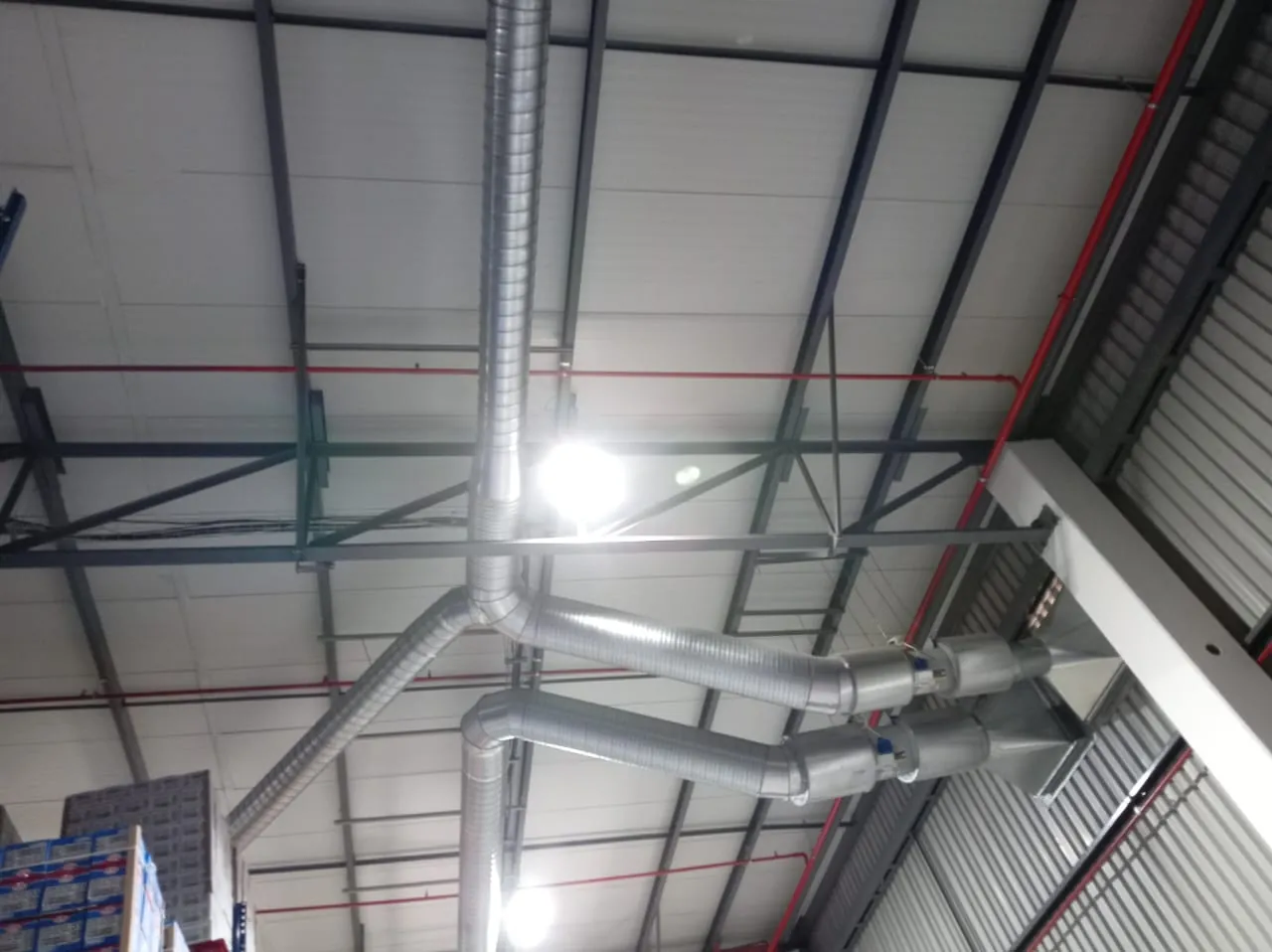
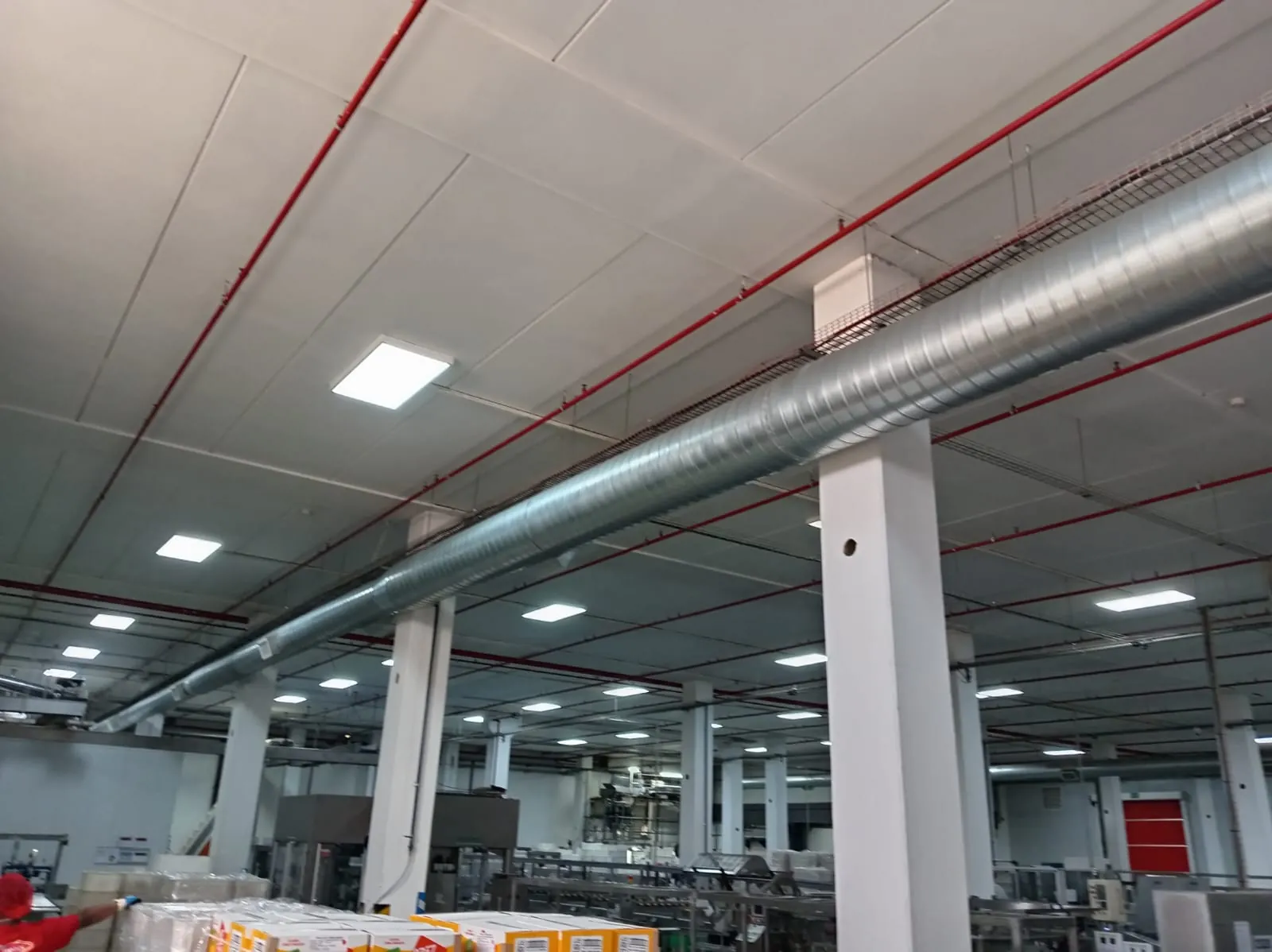
The photos used across this dust-collection cluster are supplied project images from our commercial and industrial extraction work. They show the scale, routing and fabrication quality behind the systems we install and modify.
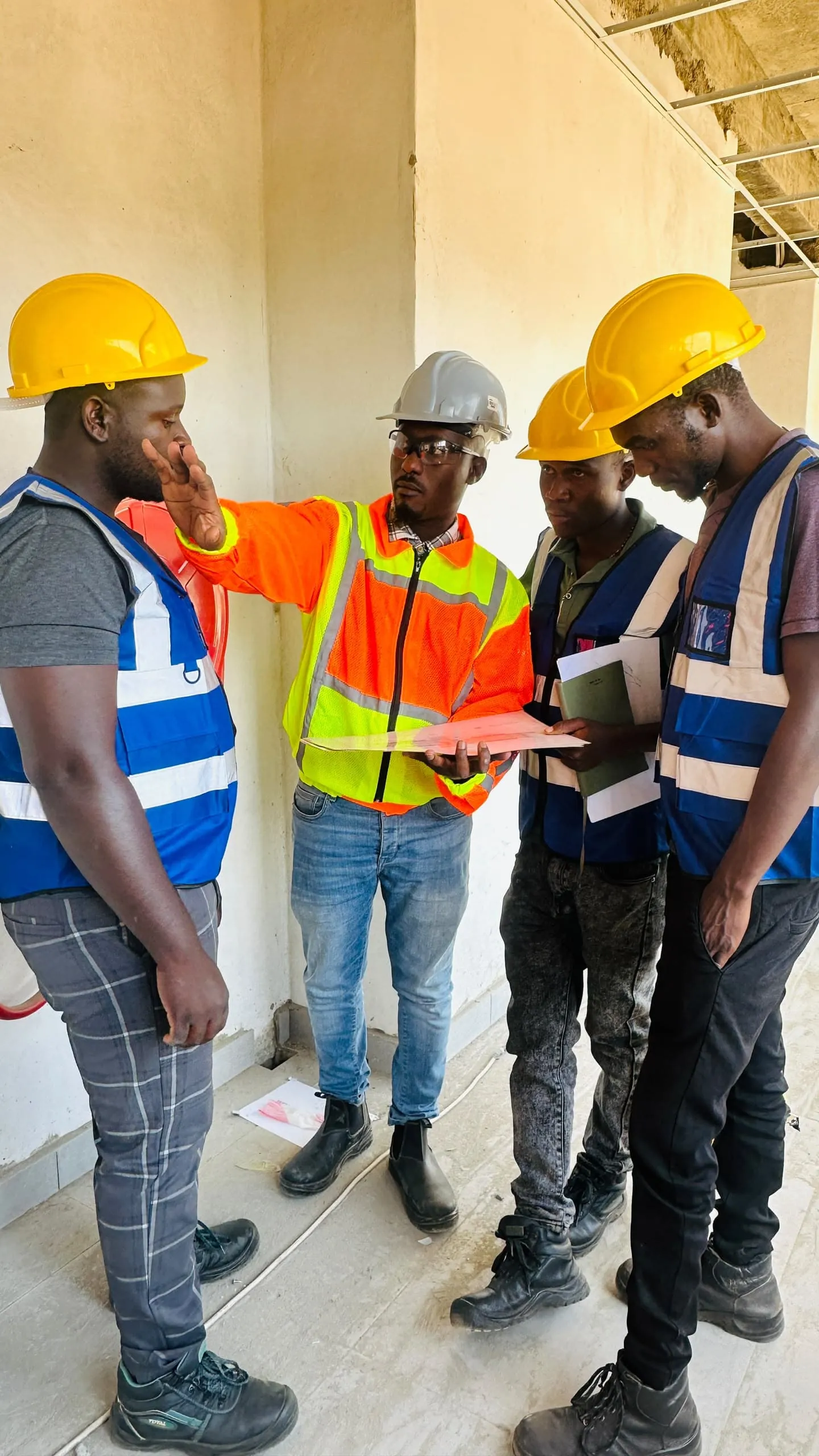
Photos demonstrate our extraction and ducting work. The exact dust collector, filtration and safety configuration for your site must be selected from the process and material involved.