Kitchen Extraction Cleaning
Continue to the related Gauteng service page for deeper installation, repair, maintenance or system information.
Extraction canopy cleaning focuses on the part of a commercial kitchen ventilation system that sits directly above the cooking process. Because the canopy receives hot vapour, grease particles, smoke and moisture before the air enters the ductwork, deposits appear here first and can build quickly in high-duty kitchens. Effective cleaning means more than making the stainless steel shine. Filters, internal surfaces, drainage points, lights, panels and the connection into the extraction path all deserve attention because their condition affects both hygiene and airflow.
Send your Gauteng location and service requirement. For the fastest response, WhatsApp photos of the fan, canopy, ducting or fault after submitting.
Chat on WhatsAppExtraction canopy cleaning focuses on the part of a commercial kitchen ventilation system that sits directly above the cooking process. Because the canopy receives hot vapour, grease particles, smoke and moisture before the air enters the ductwork, deposits appear here first and can build quickly in high-duty kitchens. Effective cleaning means more than making the stainless steel shine. Filters, internal surfaces, drainage points, lights, panels and the connection into the extraction path all deserve attention because their condition affects both hygiene and airflow.
Our work covers assessment, installation, repair, maintenance and practical system improvements where those services fit the equipment and site. We use the actual fault, building layout and operating duty to guide recommendations rather than replacing equipment by default.
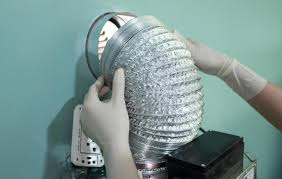
Cooking vapour changes as it cools. Grease that leaves a fryer, griddle or grill as airborne droplets can condense on the cooler surfaces inside the canopy. Fine deposits mix with dust and carbonised cooking residue. Moisture from boiling and steaming can make the film more difficult to remove. Over time the canopy can look acceptable from below while hidden internal surfaces and filter frames carry a much heavier load.
The rate of build-up depends on cooking style. A bakery, pizza operation, grill house and coffee shop will not load their extraction systems in the same way. High-temperature frying and grilling normally produce more grease aerosol than light reheating. This is why canopy cleaning frequency should follow actual kitchen duty rather than a generic monthly or quarterly statement.
A useful inspection also looks for grease trails around seams, missing filters, damaged filter frames and areas where vapour appears to bypass the intended capture path. Those observations can indicate maintenance issues beyond cleaning.
Filters are central to canopy performance. Their role is not only to look clean; they must be present, correctly seated and suitable for the system. A filter that is damaged, warped or missing can let more grease travel downstream. A badly clogged filter can restrict airflow and cause smoke to spill from the canopy edge. Cleaning therefore needs to include an assessment of filter condition rather than simply soaking and replacing every item.
Where filters are washable, the cleaning method should remove grease without damaging the frame or media. Where filters have reached the end of useful life, replacement may be more sensible than repeated cleaning. The final fit matters: gaps between filters can create preferential airflow paths and allow contaminants to bypass the intended separation stage.
If extraction improves dramatically when filters are removed, that may indicate severe loading—but operating a grease extraction canopy permanently without suitable filters is not the answer. The cause and filter condition need to be addressed.
A kitchen may request cleaning because smoke is escaping, but the visible grease is not always the main reason for poor capture. We look at the canopy in relation to the cooking line. Has new equipment been added beyond the canopy footprint? Is a powerful supply-air grille blowing across the face of the canopy? Does the fan sound different? Does extraction improve when an external door opens? These clues help separate contamination from airflow balance.
After cleaning, the canopy should be observed during operation where practical. A cleaner filter and plenum can reduce resistance, but persistent spillage may point to fan performance, duct restriction, inadequate replacement air or a canopy that no longer suits the cooking process.
This diagnostic approach is especially important in Gauteng shopping centres and mixed-use properties where tenant alterations happen over time. The current kitchen can be very different from the layout the original extraction system was designed to serve.
Restaurants and takeaways often have narrow cleaning windows between closing and reopening. Hotels, hospitals, schools and factory canteens may have multiple meal periods with almost no downtime. Cleaning needs to be scheduled around those operating realities. The kitchen should be cool enough to work safely, food and utensils need protection, and the area should be returned in a condition suitable for food preparation.
Large institutional canopies may contain multiple filter banks and long plenums. Small takeaway canopies may be physically easier to reach but carry intense grease loads because of high fryer use. A hotel may have separate extraction systems for banqueting, main kitchen and pastry areas. The scope should be defined by the actual canopy and duty rather than the business name alone.
Where a client requires formal cleaning certification or documentation to satisfy an insurer or inspector, that should be specified before booking. We do not represent ordinary mechanical service as certified cleaning unless that certification is explicitly included.
Cleaning frequently exposes faults that were hard to see under grease. Loose filter tracks, damaged lights, degraded seals, corroded fasteners, vibration marks and cracked flexible connections may become obvious once surfaces are clean. These findings should be reported because they influence how the system performs and how quickly contamination returns.
The fan may also need attention if canopy surfaces become greasy unusually quickly or extraction feels weak immediately after cleaning. A stalled or slow fan, incorrect rotation, worn drive or blocked duct route can reduce capture and encourage deposits around the canopy edge. The correct response is to diagnose the mechanical system rather than schedule ever-more-frequent cosmetic cleaning.
For landlords and facility managers, combining cleaning observations with maintenance records can create a more useful history of the kitchen extraction system.
We serve commercial kitchens in Johannesburg, Sandton, Rosebank, Randburg, Roodepoort, Midrand, Centurion, Pretoria, Alberton, Germiston, Boksburg, Kempton Park and surrounding areas. Local access arrangements vary: shopping centres may require permits and night work; stand-alone restaurants may have easier access; hotel or institutional kitchens may need phased cleaning to keep part of the facility operating.
To request a quote, provide the suburb, number or approximate length of canopies, cooking type, filter quantity if known, working hours and photographs. Tell us whether the concern is routine cleaning, heavy grease, poor extraction, odour, fan noise or a combination. That helps us determine whether the job is primarily cleaning, mechanical service or both.
An on-site assessment for extraction canopy cleaning begins with the complaint and then works outward. We do not start by assuming the most expensive component is at fault. We confirm what equipment is installed, how the space is used, how air enters the space and where extracted air is supposed to leave the building. We listen for abnormal mechanical noise, look for obvious restrictions and compare the current setup with the way the client says it performed previously. Where safe and appropriate, accessible controls, filters, grilles, duct connections and fan components are checked in context.
The building history matters. A restaurant may have added a fryer. A warehouse may have enclosed an area that was previously open. A homeowner may have replaced windows with tighter units. A shopping-centre tenant may have changed ceilings without realising an extraction grille was part of the old layout. These changes can alter airflow even if the fan itself has never been touched.
We also separate immediate faults from design limitations. A failed motor needs repair. A healthy but undersized fan needs a different conversation. A dirty filter needs cleaning, while a long restrictive duct may need route changes. Keeping those categories separate makes the recommendation easier to understand and reduces the chance of paying for a repair that cannot solve the real problem.
For extraction canopy cleaning, the right recommendation is not always a new fan. Repair is usually sensible when the existing equipment is fundamentally suitable, the fault is identifiable and parts are reasonably available. An upgrade may be better when the original equipment still works but the building or process has changed. Full replacement becomes more attractive when major parts are obsolete, corrosion is advanced, repeated breakdowns have occurred or the equipment was poorly selected from the beginning.
Cost should be considered together with downtime and access. Replacing a difficult roof-mounted fan involves more than the motor price. A restaurant may value a repair that can be completed before the next service period. A residential client may prefer replacement if repeated call-outs on an old cooker hood are likely. A facilities manager may want standardised equipment across several sites to simplify future spares.
We explain these trade-offs where the inspection provides enough information. The aim is a system that can be maintained and operated predictably, not simply a short-term fix that creates another call-out.
This page targets extraction canopy cleaning searches in Gauteng because the company genuinely serves the province. Local optimisation should help a customer understand where service is available and what kinds of local properties we encounter; it should not turn the page into a list of suburbs repeated for search engines. Johannesburg high-rises, Sandton offices, Midrand complexes, East Rand industrial premises, Pretoria institutions and West Rand stand-alone properties can present different access and ventilation constraints.
Those differences affect practical work. A roof fan on a Boksburg warehouse may be easy to isolate but require work-at-height planning. A Sandton restaurant in a shopping centre may need landlord permits and after-hours access. A Centurion townhouse may have limited external wall options. A Pretoria office may have a shared duct riser. We use these location details where they help explain the service rather than inserting place names into every paragraph.
Our core Gauteng coverage includes Johannesburg, Sandton, Randburg, Roodepoort, Midrand, Centurion, Pretoria, Alberton, Germiston, Boksburg, Kempton Park, Edenvale and surrounding areas. Availability for more distant parts of the province depends on the job and scheduling.
A useful quote request for extraction canopy cleaning includes the property suburb, building type and a short description of the problem or intended installation. If equipment already exists, send a clear photograph of the fan or hood, any model label that can be reached safely, the controls and the visible duct connection. Commercial clients should mention opening hours, access restrictions and whether the equipment is critical to daily operations.
For airflow complaints, tell us whether the system used to work better and whether opening a door or window changes the result. For noise complaints, describe the sound and when it occurs. For cleaning enquiries, state when the system was last cleaned if known and whether formal certification is required. For new installations, include room dimensions, process or cooking equipment and any known route to an exterior wall or roof.
Do not remove electrical covers, climb unsafe roofs or reach into moving equipment to collect information. A few safe photographs and a clear description are more useful than risky DIY investigation.
Once a canopy and its filters are clean, the system should be assessed as an operating extraction system rather than admired only for appearance. Smoke and vapour should move toward the canopy instead of spilling into the kitchen. Filters should sit securely without large gaps. There should not be obvious grease leakage from joints or unusual vibration through the canopy body. The fan sound should be steady and consistent with its normal operation.
If one cooking appliance still throws vapour past the canopy edge, look at geometry. The appliance may have been moved beyond the canopy footprint, raised closer to the filter bank or replaced with equipment that produces a stronger thermal plume. A kitchen renovation can therefore create a capture problem even when the extraction equipment itself is unchanged. Supply-air grilles can also disturb capture if they blow strongly across the canopy face.
Staff observations are useful after service. Ask whether heat feels lower, whether odour clears more quickly and whether visible smoke still escapes during the busiest cooking period. These comments should be combined with technical inspection rather than treated as precise airflow measurements, but they help identify whether the cleaning achieved the expected operational improvement. If performance remains weak, the next step should be diagnosis of the fan, duct route and replacement-air balance rather than another immediate clean.
Continue to the related Gauteng service page for deeper installation, repair, maintenance or system information.
Continue to the related Gauteng service page for deeper installation, repair, maintenance or system information.
Continue to the related Gauteng service page for deeper installation, repair, maintenance or system information.
Continue to the related Gauteng service page for deeper installation, repair, maintenance or system information.
Frequency depends on cooking intensity, operating hours, grease production and the condition found during inspection.
Yes, filter cleaning can be included where the filter type is suitable and the agreed scope covers it.
Yes, particularly when filters and internal air passages are heavily loaded.
Mechanical extraction faults can be assessed and repaired within our service scope; other specialist work may be referred or separately quoted.
Scheduling depends on the site and access requirements. Commercial kitchens often prefer work outside their busiest service periods.
Tell us the site location, property type and what you need help with. For faults, describe whether the equipment is completely stopped, noisy or still operating with reduced airflow.