Kitchen Extractor Fans
Continue to the related Gauteng service page for deeper installation, repair, maintenance or system information.
Kitchen extractor fan installation should match the cooking area, cabinet layout and available route to the outside. A stylish cooker hood can still perform poorly if it is mounted too far from the hob, connected to a restrictive duct, set to recirculate when the owner expected external extraction or starved of replacement air. We install and replace selected kitchen extractor fans and cooker hoods across Gauteng, with attention to practical airflow rather than treating installation as a simple appliance swap.
Send your Gauteng location and service requirement. For the fastest response, WhatsApp photos of the fan, canopy, ducting or fault after submitting.
Chat on WhatsAppKitchen extractor fan installation should match the cooking area, cabinet layout and available route to the outside. A stylish cooker hood can still perform poorly if it is mounted too far from the hob, connected to a restrictive duct, set to recirculate when the owner expected external extraction or starved of replacement air. We install and replace selected kitchen extractor fans and cooker hoods across Gauteng, with attention to practical airflow rather than treating installation as a simple appliance swap.
Our work covers assessment, installation, repair, maintenance and practical system improvements where those services fit the equipment and site. We use the actual fault, building layout and operating duty to guide recommendations rather than replacing equipment by default.
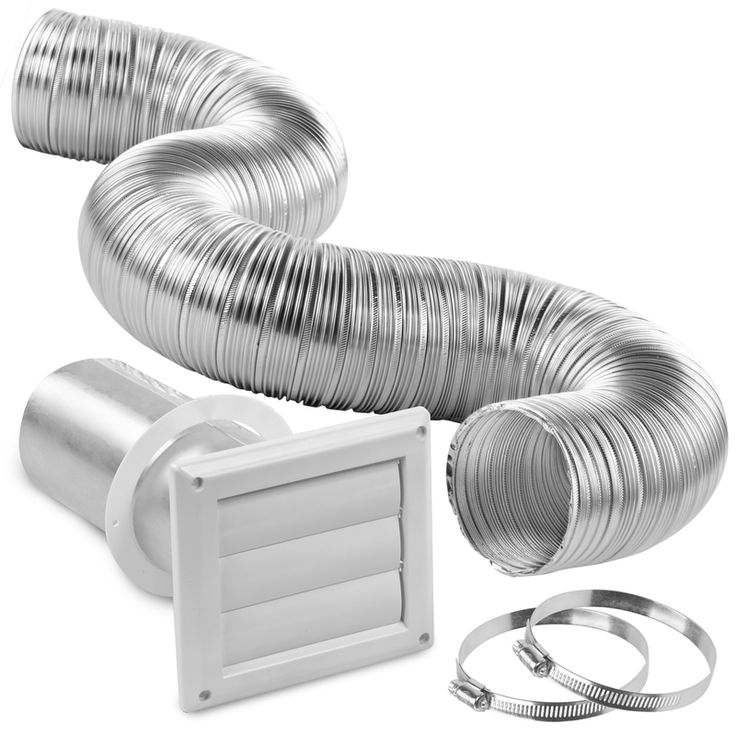
Many cooker hoods can operate in either ducted extraction or recirculation mode. In extraction mode, cooking air passes through filters and is discharged outdoors through ductwork. In recirculation mode, air passes through grease and usually carbon filtration before returning to the room. The second option is useful where external ducting is impossible, but it does not remove moisture from the building in the same way as true extraction.
The right choice depends on property layout and owner priorities. A freestanding house may have a straightforward external wall or roof route. An apartment may have restrictions on drilling the façade or may connect to a shared shaft. A kitchen island can require a ceiling route that is much more complex than a wall-mounted hood.
Before installation, we confirm the intended operating mode so the customer does not discover after completion that the hood is simply circulating air inside the kitchen.
The extractor should suit the hob or cooking zone it serves. A hood that is significantly narrower than the cooking area can struggle to capture vapour from the outer burners. Mounting height also affects capture. Too high and vapour can escape before entering the hood; too low can interfere with safe use and may conflict with manufacturer guidance.
Wall cabinets, splashbacks and bulkheads often determine what can physically fit. Integrated extractors need cabinet dimensions checked carefully. Telescopic and under-cabinet models have different requirements from decorative chimney hoods. Island hoods need secure support and a planned route above the ceiling.
We use the actual kitchen dimensions and manufacturer information where available rather than assuming every 600 mm or 900 mm hood installs the same way.
A common source of disappointing performance is reducing the duct below the manufacturer's intended outlet size or using long runs of flexible duct with several tight bends. Every restriction increases pressure loss. The fan then moves less air and can become noticeably louder at higher speed.
Where external extraction is possible, the route should be as direct as practical and terminate at a suitable exterior point. Wall penetrations, roof terminals and weather protection all matter. The duct should be supported so it does not sag, and joints should be reasonably sealed. If the route passes through cupboards, appearance and access also need consideration.
Existing houses can present hidden constraints such as beams, plumbing, electrical services or inaccessible ceiling areas. These are best identified before the final hood position is committed.
Cooker hoods need a suitable electrical supply and isolation arrangement. Some replacements can use an existing point; new installations may need electrical work before the hood can be commissioned. The appliance should not be connected through unsafe improvised wiring hidden inside cabinetry.
Built-in lights, electronic controls and speed selectors should be tested after installation. Where the hood has automatic features or links to a compatible hob, manufacturer-specific setup may be required. We focus on the installation and extraction system and avoid promising features that depend on unsupported appliance integrations.
If the existing supply appears unsafe or unsuitable, electrical correction should take priority over simply making the appliance run.
Replacement can be straightforward when the new hood matches the old opening and duct route, but size changes often expose hidden problems. An old 100 mm duct may be too restrictive for a newer high-capacity hood designed for a larger outlet. Cabinet cut-outs may not match. Wall fixing points can differ. A previous recirculating hood may have no external duct at all.
We therefore assess the old installation before assuming a direct swap. If the existing duct is useful, it can often be retained or adapted. If it is damaged, badly restricted or disconnected in the ceiling, correction is worthwhile while access is available.
For landlords and property managers, standardising hood sizes across multiple units can make future maintenance easier, but each kitchen still needs its own route checked.
We serve Johannesburg, Sandton, Bryanston, Randburg, Roodepoort, Midrand, Centurion, Pretoria, Alberton, Germiston, Boksburg, Kempton Park, Edenvale and surrounding Gauteng areas. We install selected cooker hoods, integrated extractors, under-cabinet fans and ducted kitchen extraction systems in houses, flats, guest houses and rental properties.
For a quote, send the suburb, hood model if already purchased, hob width, photos of the kitchen and whether there is an existing duct. If you have not bought a hood yet, tell us the available width and whether external extraction is possible so installation constraints can be considered before purchase.
An on-site assessment for kitchen extractor fan installation begins with the complaint and then works outward. We do not start by assuming the most expensive component is at fault. We confirm what equipment is installed, how the space is used, how air enters the space and where extracted air is supposed to leave the building. We listen for abnormal mechanical noise, look for obvious restrictions and compare the current setup with the way the client says it performed previously. Where safe and appropriate, accessible controls, filters, grilles, duct connections and fan components are checked in context.
The building history matters. A restaurant may have added a fryer. A warehouse may have enclosed an area that was previously open. A homeowner may have replaced windows with tighter units. A shopping-centre tenant may have changed ceilings without realising an extraction grille was part of the old layout. These changes can alter airflow even if the fan itself has never been touched.
We also separate immediate faults from design limitations. A failed motor needs repair. A healthy but undersized fan needs a different conversation. A dirty filter needs cleaning, while a long restrictive duct may need route changes. Keeping those categories separate makes the recommendation easier to understand and reduces the chance of paying for a repair that cannot solve the real problem.
For kitchen extractor fan installation, the right recommendation is not always a new fan. Repair is usually sensible when the existing equipment is fundamentally suitable, the fault is identifiable and parts are reasonably available. An upgrade may be better when the original equipment still works but the building or process has changed. Full replacement becomes more attractive when major parts are obsolete, corrosion is advanced, repeated breakdowns have occurred or the equipment was poorly selected from the beginning.
Cost should be considered together with downtime and access. Replacing a difficult roof-mounted fan involves more than the motor price. A restaurant may value a repair that can be completed before the next service period. A residential client may prefer replacement if repeated call-outs on an old cooker hood are likely. A facilities manager may want standardised equipment across several sites to simplify future spares.
We explain these trade-offs where the inspection provides enough information. The aim is a system that can be maintained and operated predictably, not simply a short-term fix that creates another call-out.
This page targets kitchen extractor fan installation searches in Gauteng because the company genuinely serves the province. Local optimisation should help a customer understand where service is available and what kinds of local properties we encounter; it should not turn the page into a list of suburbs repeated for search engines. Johannesburg high-rises, Sandton offices, Midrand complexes, East Rand industrial premises, Pretoria institutions and West Rand stand-alone properties can present different access and ventilation constraints.
Those differences affect practical work. A roof fan on a Boksburg warehouse may be easy to isolate but require work-at-height planning. A Sandton restaurant in a shopping centre may need landlord permits and after-hours access. A Centurion townhouse may have limited external wall options. A Pretoria office may have a shared duct riser. We use these location details where they help explain the service rather than inserting place names into every paragraph.
Our core Gauteng coverage includes Johannesburg, Sandton, Randburg, Roodepoort, Midrand, Centurion, Pretoria, Alberton, Germiston, Boksburg, Kempton Park, Edenvale and surrounding areas. Availability for more distant parts of the province depends on the job and scheduling.
A useful quote request for kitchen extractor fan installation includes the property suburb, building type and a short description of the problem or intended installation. If equipment already exists, send a clear photograph of the fan or hood, any model label that can be reached safely, the controls and the visible duct connection. Commercial clients should mention opening hours, access restrictions and whether the equipment is critical to daily operations.
For airflow complaints, tell us whether the system used to work better and whether opening a door or window changes the result. For noise complaints, describe the sound and when it occurs. For cleaning enquiries, state when the system was last cleaned if known and whether formal certification is required. For new installations, include room dimensions, process or cooking equipment and any known route to an exterior wall or roof.
Do not remove electrical covers, climb unsafe roofs or reach into moving equipment to collect information. A few safe photographs and a clear description are more useful than risky DIY investigation.
The best time to plan a kitchen extractor is before cabinets, bulkheads and ceilings are finished. Early planning allows the duct route to be kept larger and straighter, provides space for the hood body and creates a proper electrical point. It also reduces the temptation to hide a long length of undersized flexible duct above completed cupboards simply because no other route remains.
For a wall-mounted hob, decide whether the duct will go directly through the external wall, rise through a bulkhead or continue to a roof terminal. For an island, consider how the hood will be supported and whether the ceiling void actually offers a route around beams and services. Integrated hoods need cabinet depth and ventilation clearances confirmed before joinery is manufactured.
This coordination matters in Gauteng renovations where kitchen designers, electricians, builders and appliance suppliers may all work separately. A short discussion about the extractor route before cabinetry fabrication can prevent costly alterations later. If the hood model is already selected, its outlet size and installation instructions should be made available to the team rather than designing the duct from appearance alone.
Service work often happens in buildings that must remain operational. We plan access so kitchens, offices, homes or workshops are disrupted as little as practical. Commercial clients should tell us about security procedures, roof permits, landlord approvals, loading-bay access and the times when noisy work is restricted. Residential clients should mention apartment rules, shared shafts and whether exterior work requires body-corporate approval. Good access planning is not administrative detail; it determines whether equipment can be inspected safely and whether the proposed repair or installation is practical.
Where work at height, electrical isolation or concealed building services are involved, the job may need additional preparation before tools are used. We prefer to identify those constraints early rather than arrive with an unrealistic assumption that every fan is reachable from a stepladder. Gauteng properties range from single-storey homes to shopping centres, factories and high-rise buildings, so the service method needs to match the site.
After work is completed, we explain the observed fault or installation choices in straightforward terms and identify maintenance points that the owner or facilities team should watch. The purpose is to leave the client with a clearer understanding of the system, not only a switched-on fan.
Continue to the related Gauteng service page for deeper installation, repair, maintenance or system information.
Continue to the related Gauteng service page for deeper installation, repair, maintenance or system information.
Continue to the related Gauteng service page for deeper installation, repair, maintenance or system information.
Continue to the related Gauteng service page for deeper installation, repair, maintenance or system information.
External ducted extraction generally removes cooking vapour and moisture more effectively, but some properties can only use recirculation. The available route should be assessed.
Yes, selected units can be installed if dimensions, duct route and electrical requirements are suitable.
Restrictive ducting, small outlet reductions, turbulence or installation resonance can increase noise even when the motor is healthy.
Yes, provided the cabinet dimensions and replacement model are compatible or can be reasonably adapted.
Yes, but façade restrictions, shared shafts and body-corporate rules may limit external ducting options.
Tell us the site location, property type and what you need help with. For faults, describe whether the equipment is completely stopped, noisy or still operating with reduced airflow.